A Woman’s Period Journey: Understanding Menarche, Menstrual Health & Menopause

A Woman's Period Journey: From Menarche to Menopause
The menstrual cycle is one of the most important milestones in a woman’s life. From the first period during adolescence to the natural transition of menopause, a woman’s body undergoes remarkable hormonal, physical, and emotional changes.
Understanding these stages helps women take better care of their health and confidently navigate each phase of life. Let’s explore the fascinating journey from menarche to menopause.
What Is Menarche?
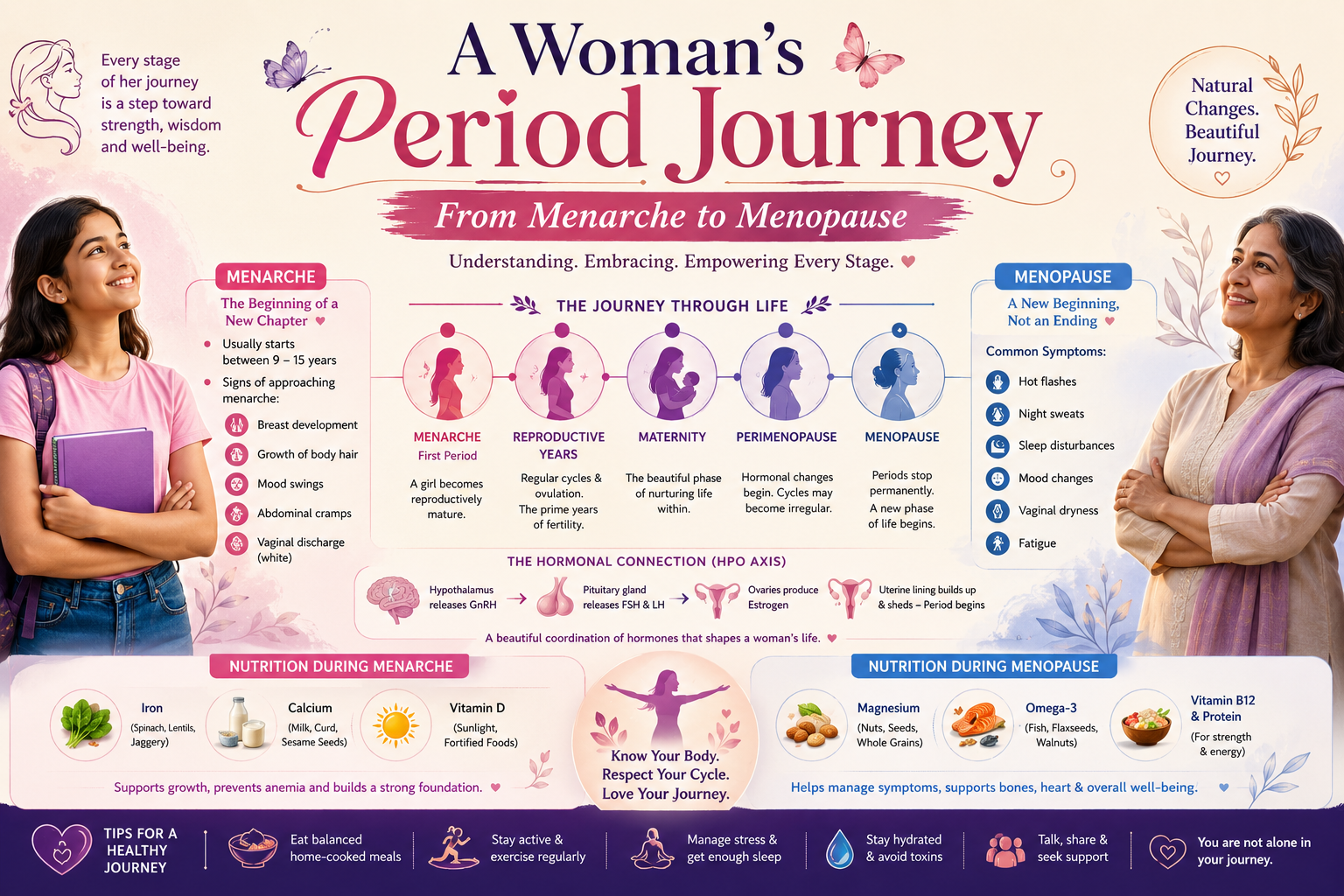
Menarche is the medical term for a girl’s first menstrual period. It marks the beginning of reproductive maturity and typically occurs between the ages of 9 and 15 years.
Menarche is a natural biological event that signals that the body is developing the ability to reproduce.
Signs That Menarche Is Approaching
Before the first period begins, several physical and emotional changes occur due to hormonal activity.
Physical Changes
- Breast development
- Growth of body and pubic hair
- Development of reproductive organs
- Mild abdominal cramps
- Lower back discomfort
- White vaginal discharge
Emotional Changes
- Mood swings
- Increased sensitivity
- Irritability
- Anxiety or nervousness
- Emotional fluctuations
These changes are a normal part of puberty and indicate that the body is preparing for menstruation.
The Science Behind Menarche
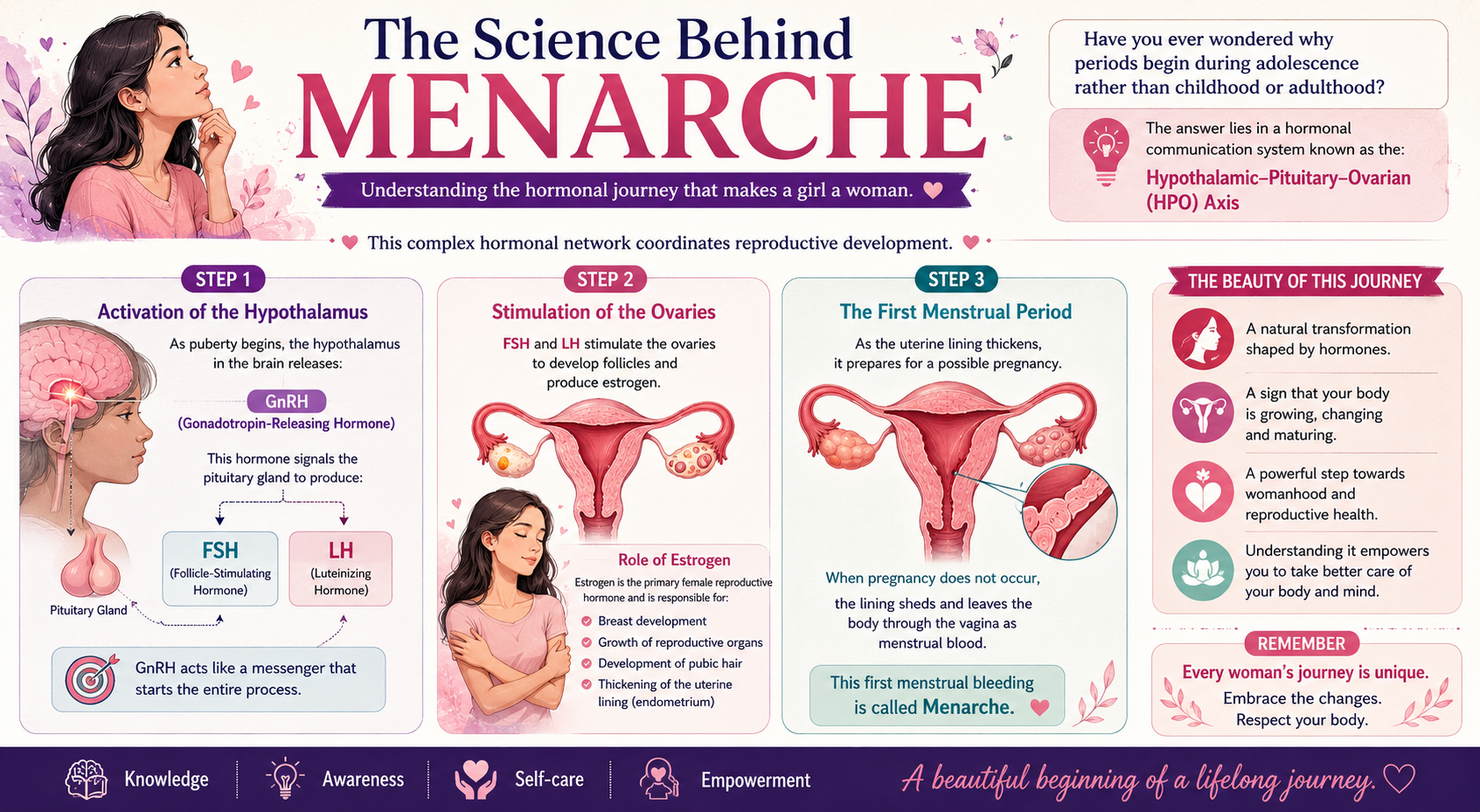
Have you ever wondered why periods begin during adolescence rather than childhood or adulthood?
The answer lies in a hormonal communication system known as the:
Hypothalamic-Pituitary-Ovarian (HPO) Axis
This complex hormonal network coordinates reproductive development.
Step 1: Activation of the Hypothalamus
As puberty begins, the hypothalamus in the brain releases:
GnRH (Gonadotropin-Releasing Hormone)
This hormone signals the pituitary gland to produce:
- FSH (Follicle-Stimulating Hormone)
- LH (Luteinizing Hormone)
Step 2: Stimulation of the Ovaries
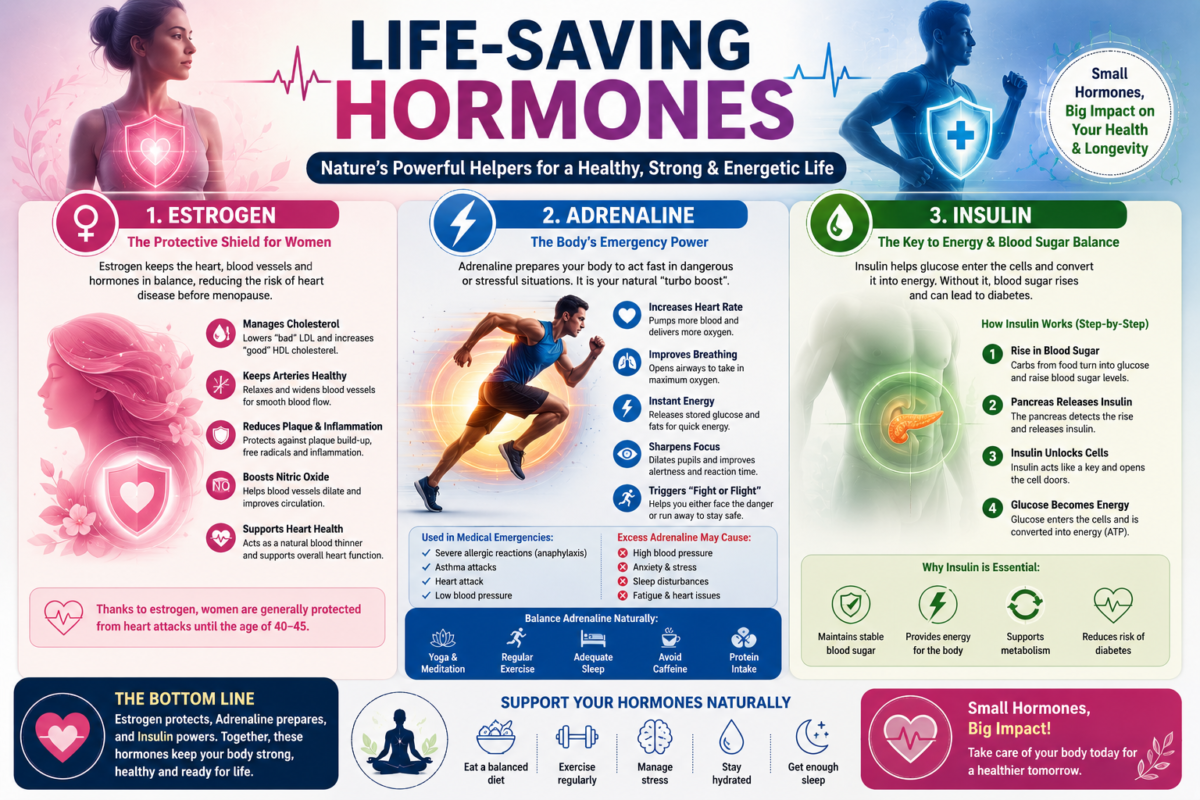
FSH and LH stimulate the ovaries to develop follicles and produce estrogen.
Role of Estrogen
Estrogen is the primary female reproductive hormone and is responsible for:
- Breast development
- Growth of reproductive organs
- Development of pubic hair
- Thickening of the uterine lining (endometrium)
Step 3: The First Menstrual Period
As the uterine lining thickens, it prepares for a possible pregnancy.
When pregnancy does not occur, the lining sheds and leaves the body through the vagina as menstrual blood.
This first menstrual bleeding is called Menarche.
Factors That Influence Menarche
Several factors can affect the age at which menstruation begins:
- Genetics and family history
- Nutrition and body weight
- Hormonal health
- Physical activity levels
- Environmental influences
- Overall lifestyle
Is Early Menarche Normal?
Very early menstruation may sometimes indicate hormonal imbalances or underlying medical conditions. Parents should consult a gynecologist if puberty begins unusually early.
Understanding Menopause
Just as menarche marks the beginning of reproductive life, menopause marks its natural conclusion.
What Is Menopause?
Menopause occurs when a woman permanently stops menstruating due to the natural decline in ovarian function.
A woman is medically considered menopausal when she has not had a menstrual period for 12 consecutive months.
Average Age
In India, menopause commonly occurs between 45 and 55 years, though individual experiences may vary.
Why Does Menopause Happen?
Menopause occurs because:
- Ovarian function gradually declines
- Estrogen production decreases
- Egg reserves become depleted
- Ovulation eventually stops
These changes are a normal part of aging.
Common Symptoms of Menopause
Menstrual Changes
- Irregular periods
- Changes in menstrual flow
- Skipped cycles
Physical Symptoms
- Hot flashes
- Night sweats
- Fatigue
- Sleep disturbances
- Weight gain
Emotional Symptoms
- Mood swings
- Irritability
- Anxiety
- Reduced concentration
Vaginal Changes
- Vaginal dryness
- Increased risk of irritation and infections
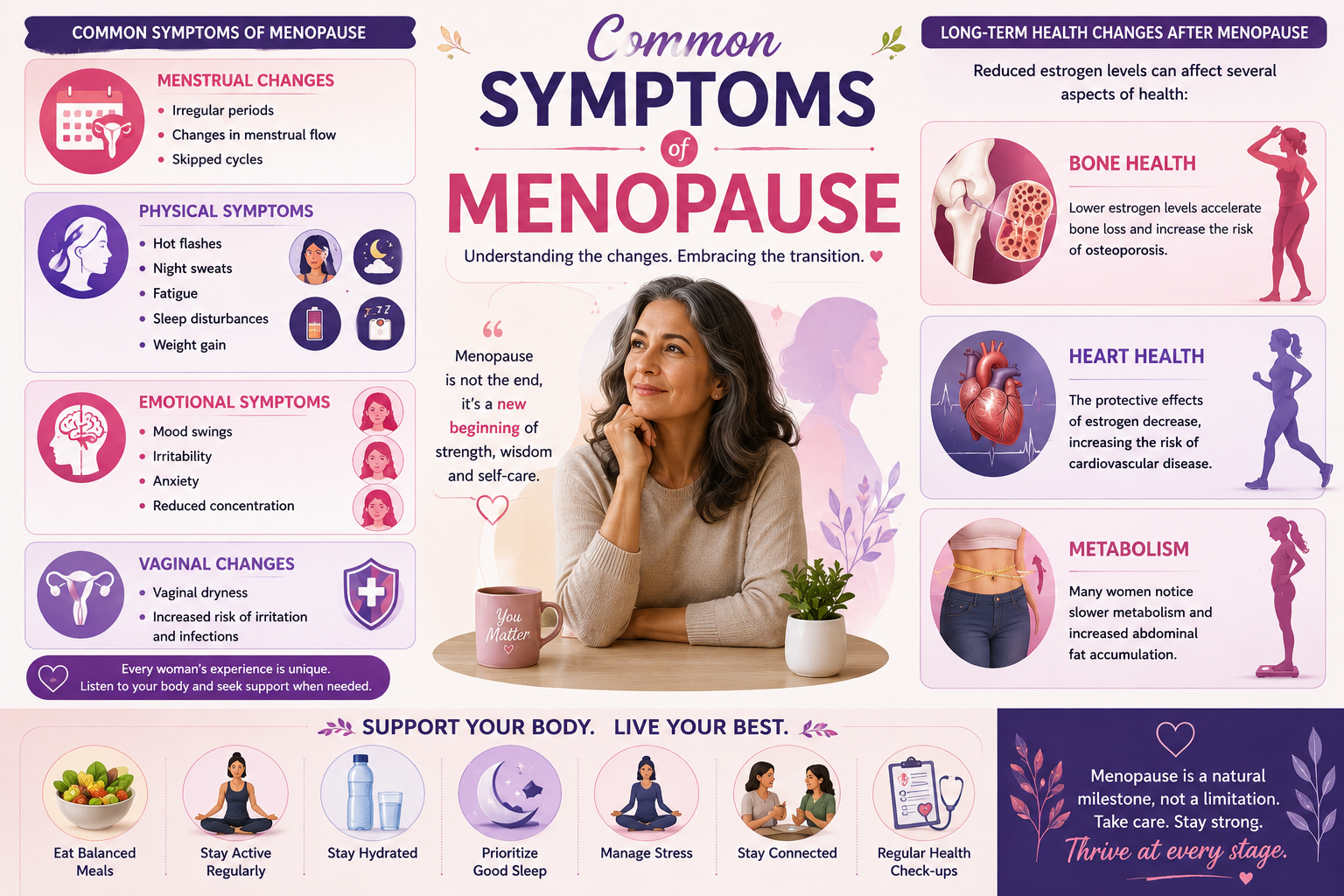
Long-Term Health Changes After Menopause
Reduced estrogen levels can affect several aspects of health:
Bone Health
Lower estrogen levels accelerate bone loss and increase the risk of osteoporosis.
Heart Health
The protective effects of estrogen decrease, increasing the risk of cardiovascular disease.
Metabolism
Many women notice slower metabolism and increased abdominal fat accumulation.
Nutrition During Menarche
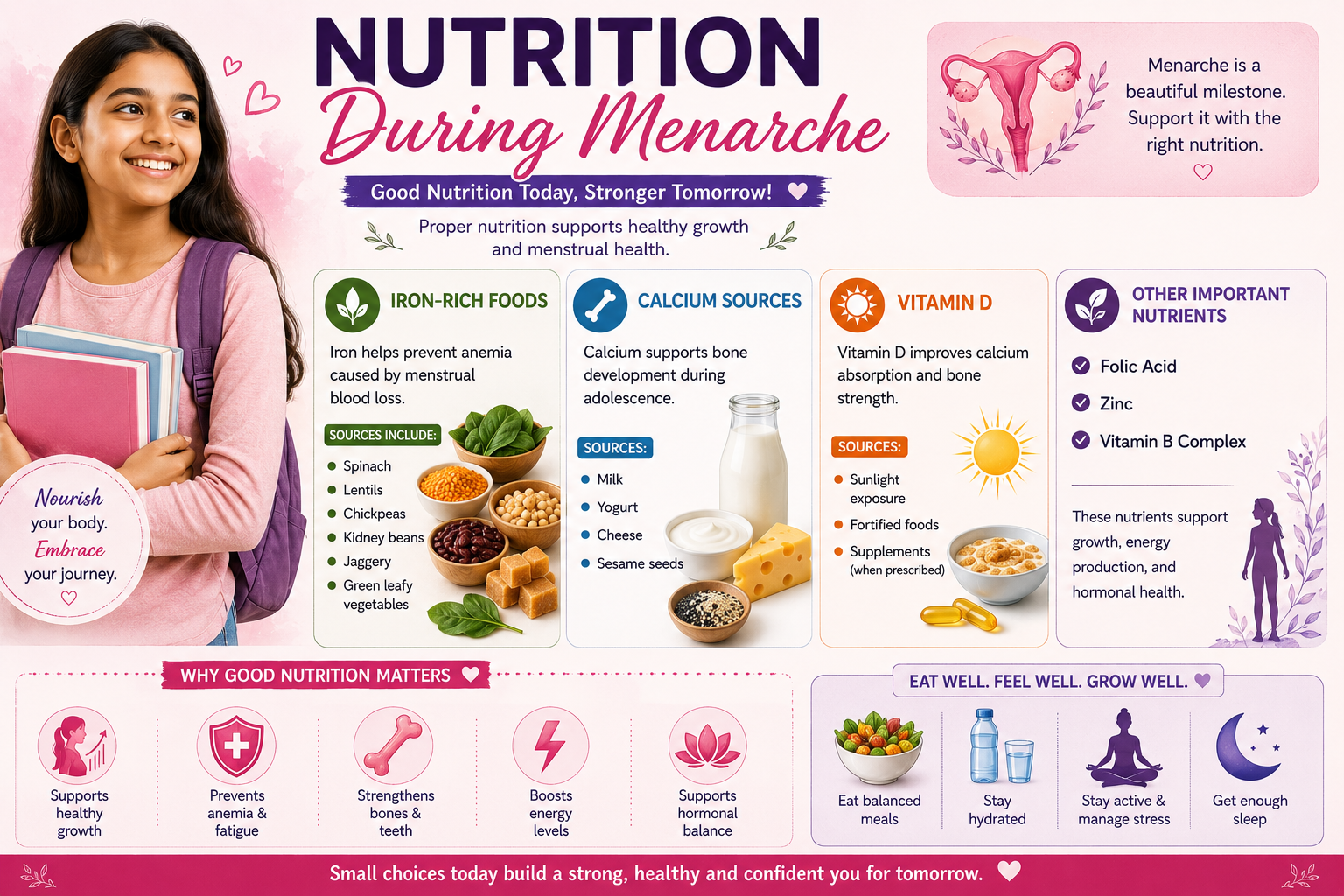
Proper nutrition supports healthy growth and menstrual health.
Iron-Rich Foods
Iron helps prevent anemia caused by menstrual blood loss.
Sources include:
- Spinach
- Lentils
- Chickpeas
- Kidney beans
- Jaggery
- Green leafy vegetables
Calcium Sources
Calcium supports bone development during adolescence.
Sources:
- Milk
- Yogurt
- Cheese
- Sesame seeds
Vitamin D
Vitamin D improves calcium absorption and bone strength.
Sources:
- Sunlight exposure
- Fortified foods
- Supplements (when prescribed)
Other Important Nutrients
- Folic Acid
- Zinc
- Vitamin B Complex
These nutrients support growth, energy production, and hormonal health.
Final Thoughts
From the first menstrual period to menopause, a woman’s body undergoes a remarkable journey of growth, transformation, and adaptation. Understanding the hormonal and physical changes that occur during these stages empowers women to take charge of their health and well-being.
Whether you are entering puberty, navigating reproductive years, or transitioning through menopause, proper nutrition, regular medical checkups, physical activity, and self-care can help you thrive at every stage of life.
Menarche and menopause are not illnesses—they are natural milestones in a woman’s incredible life journey.