Life-Saving Hormones: How Estrogen, Adrenaline & Insulin Protect Your Body

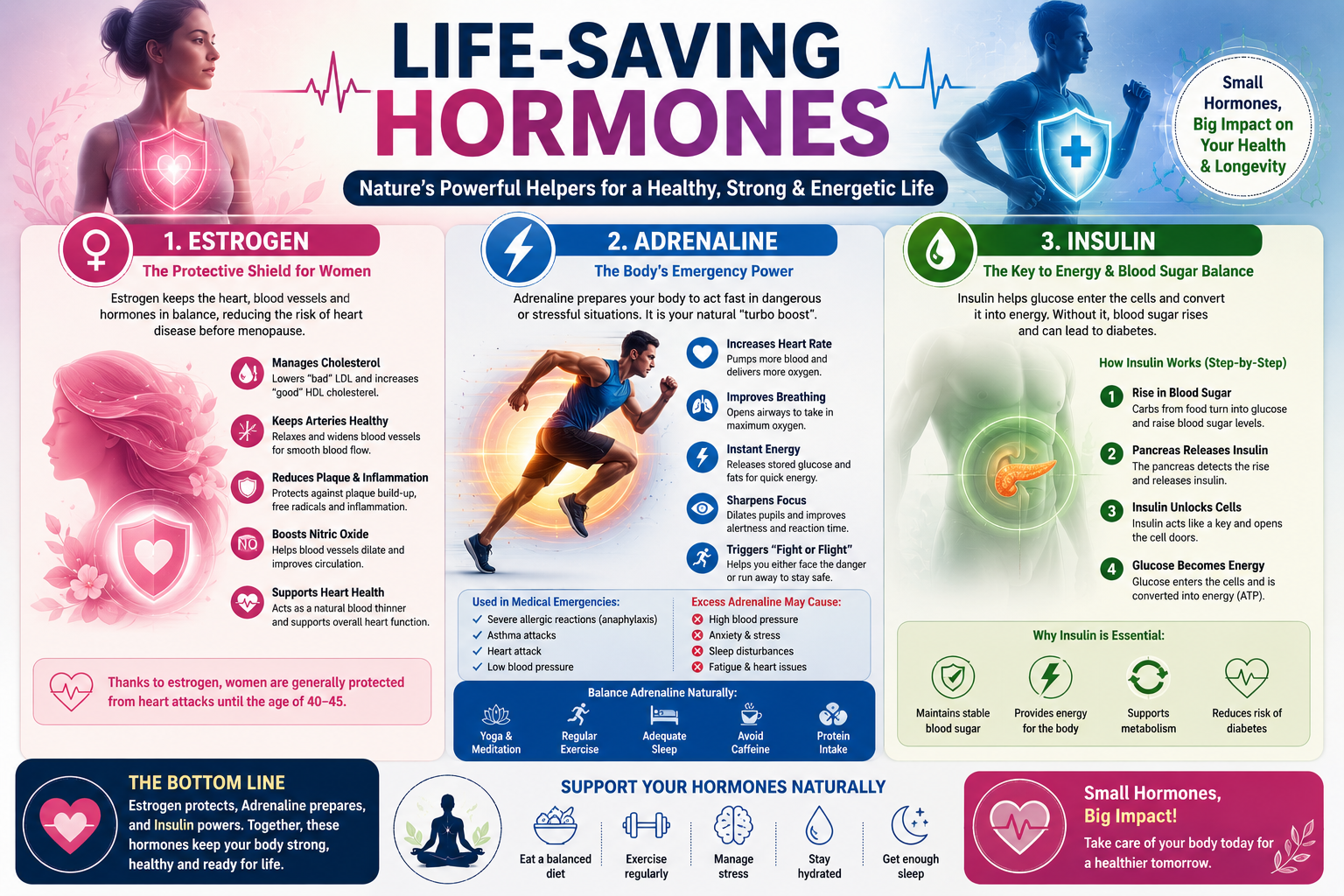
Our body is an incredible biological system powered by hormones that work silently behind the scenes every second of the day. Among the many hormones produced naturally in the body, a few are considered truly “life-saving” because of their critical role in survival, energy, heart health, and overall well-being.
Three of the most important hormones are:
- Estrogen
- Adrenaline
- Insulin
These hormones help regulate everything from blood circulation and stress response to blood sugar balance and metabolism.
1. Estrogen — The Natural Protective Shield for Women
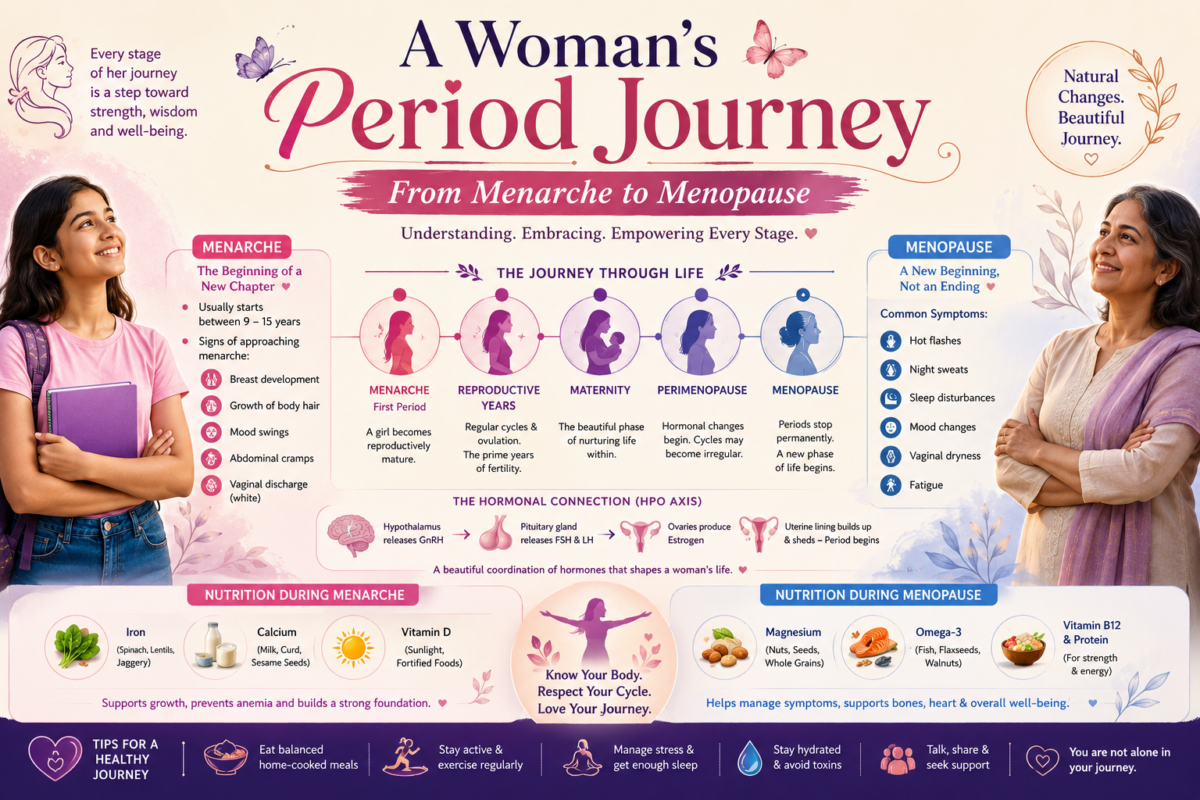
Estrogen is one of the most important hormones in the female body. It plays a major role in reproductive health, heart protection, bone strength, and emotional balance.
Medical research shows that women generally have a lower risk of heart disease before menopause, largely due to the protective effects of estrogen.
Key Benefits of Estrogen
1. Helps Control Cholesterol
Estrogen helps:
- Lower “bad” cholesterol (LDL)
- Increase “good” cholesterol (HDL)
This improves blood circulation and supports heart health.
2. Keeps Blood Vessels Flexible
Estrogen relaxes and widens blood vessels, allowing smoother blood flow throughout the body and reducing pressure on the heart.
3. Reduces Plaque Build-Up
This hormone helps prevent excessive plaque formation inside arteries and protects the body against oxidative stress caused by free radicals.
4. Supports Nitric Oxide Production
Estrogen boosts nitric oxide production, which naturally helps blood vessels dilate and improves circulation.
5. Reduces Inflammation
By controlling inflammation in the arteries, estrogen lowers the risk of cardiovascular disease and supports healthy heart function.
Due to estrogen’s protective effects, women often remain relatively protected from heart disease until menopause.
2. Adrenaline — The Body’s Emergency Power Hormone
Adrenaline, also known scientifically as epinephrine, is produced by the adrenal glands located above the kidneys.
It acts like the body’s “turbo mode,” preparing you to respond quickly during stressful or dangerous situations.
When is Adrenaline Released?
Adrenaline surges during:
- Fear
- Anger
- Excitement
- Emergencies
- Accidents
- Extreme stress
This creates the famous “Fight or Flight” response.
How Adrenaline Helps the Body
1. Increases Heart Rate
Adrenaline makes the heart beat faster, improving blood circulation and oxygen delivery to vital organs.
2. Improves Breathing
It widens the airways in the lungs, allowing the body to take in more oxygen quickly.
3. Provides Instant Energy
Adrenaline rapidly breaks down stored glucose and fats, giving the body immediate energy during emergencies.
4. Sharpens Focus
It dilates the pupils and heightens awareness, helping the brain react faster to danger.
Medical Uses of Adrenaline
Doctors use adrenaline injections in emergencies such as:
- Severe allergic reactions (anaphylaxis)
- Asthma attacks
- Cardiac arrest
- Extremely low blood pressure
Side Effects of Excess Adrenaline
Too much adrenaline over time may lead to:
- Anxiety
- High blood pressure
- Sleep problems
- Fatigue
- Stress-related disorders
- Heart complications
How to Maintain Healthy Adrenaline Balance
- Practice yoga and meditation
- Exercise regularly
- Get proper sleep
- Limit caffeine intake
- Eat protein-rich foods
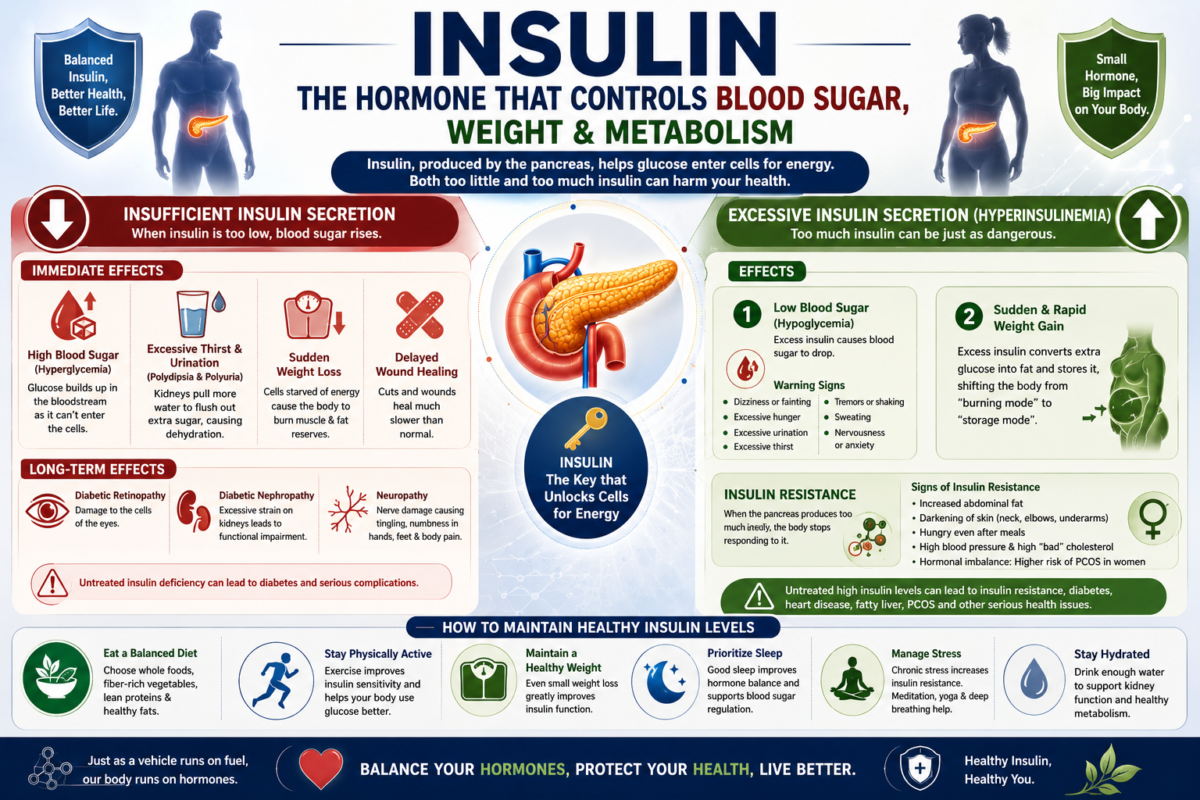
3. Insulin — The Hormone That Controls Blood Sugar
Insulin is a vital hormone produced by the beta cells of the pancreas. Its primary role is to regulate blood glucose levels and convert sugar into usable energy.
Without proper insulin function, blood sugar levels become unstable, increasing the risk of diabetes.
How Insulin Works
Insulin works like a “key” that unlocks the body’s cells and allows glucose to enter.
Step-by-Step Process
1. Blood Sugar Rises
After eating, carbohydrates break down into glucose and enter the bloodstream.
2. The Pancreas Releases Insulin
The pancreas detects the rise in blood sugar and releases insulin into the bloodstream.
3. Insulin Unlocks the Cells
Insulin binds to receptors on cells, opening the pathway for glucose to enter.
4. Glucose Converts Into Energy
Once inside the cells, glucose is transformed into energy (ATP) that powers the body.
Why Insulin is Essential
Healthy insulin function helps:
- Maintain stable energy levels
- Prevent high blood sugar
- Support metabolism
- Reduce the risk of diabetes complications
Final Thoughts
Hormones are not just chemical messengers—they are essential guardians of human health. Estrogen protects the heart, adrenaline prepares the body for emergencies, and insulin fuels every cell with energy.
Maintaining a healthy lifestyle through balanced nutrition, regular exercise, stress management, and proper sleep is one of the best ways to support healthy hormone function naturally.
Your body is constantly working to protect you—understanding these hormones helps you protect your health in return.