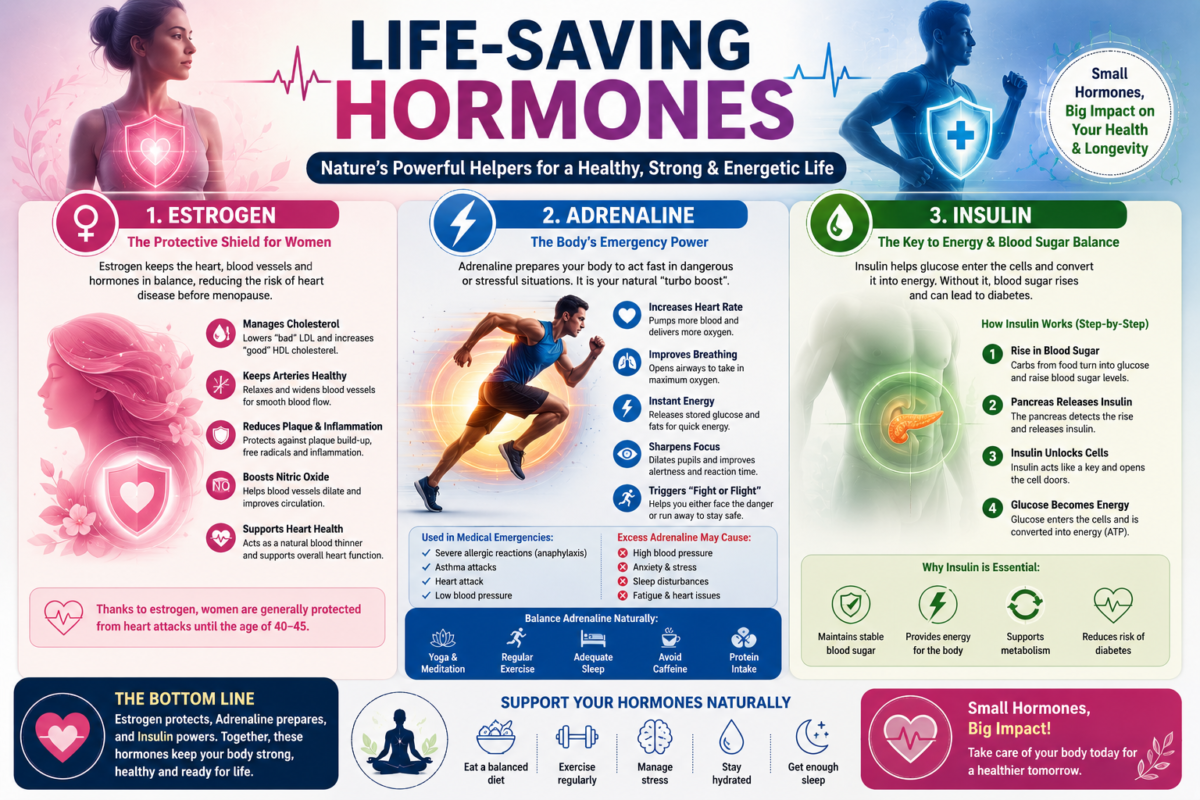
Insulin: The Hormone That Controls Blood Sugar, Weight & Metabolism

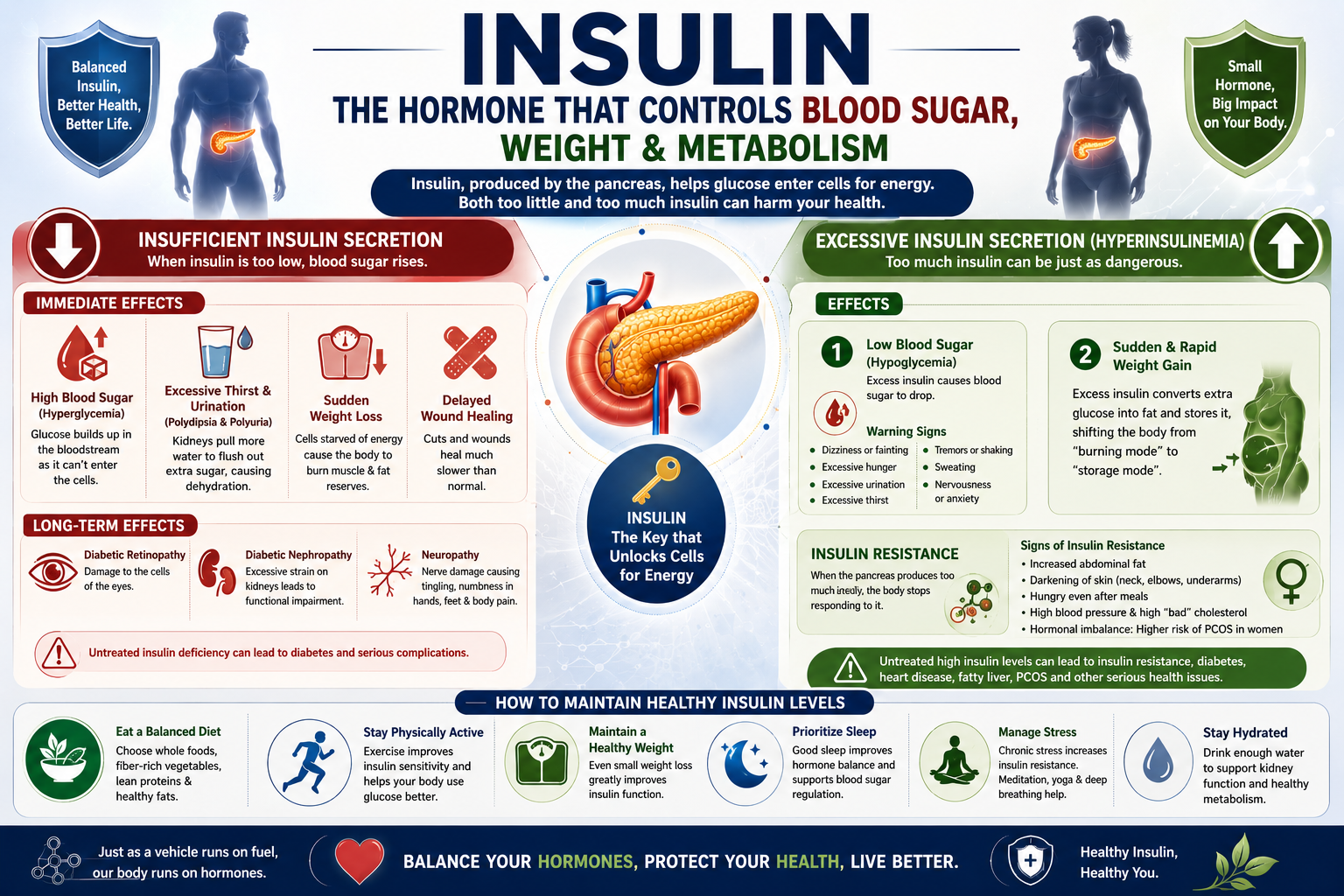
Insulin is one of the most important hormones in the human body. Produced by the pancreas, it acts as a key that allows glucose (sugar) from the bloodstream to enter the body’s cells, where it is used for energy. When insulin levels become too low or too high, serious health problems can develop.
Understanding how insulin works can help you protect your metabolism, maintain a healthy weight, and reduce your risk of diabetes and other chronic conditions.
What Happens When Insulin Levels Are Too Low?
When the pancreas does not produce enough insulin, glucose cannot enter the cells efficiently. As a result, sugar accumulates in the bloodstream, leading to high blood sugar levels (hyperglycemia).
Immediate Effects of Insulin Deficiency
1. High Blood Sugar (Hyperglycemia)
Without enough insulin, glucose remains in the bloodstream instead of being used by the body’s cells for energy.
2. Excessive Thirst and Frequent Urination
As blood sugar rises, the kidneys work harder to remove excess glucose through urine. This leads to dehydration, increased thirst (polydipsia), and frequent urination (polyuria).
3. Sudden Weight Loss
When cells cannot access glucose for energy, the body begins breaking down stored fat and muscle tissue, causing rapid and unintentional weight loss.
4. Slow Wound Healing
High blood sugar can impair circulation and immune function, making cuts and wounds take longer to heal.
Long-Term Complications of Low Insulin
If insulin deficiency remains untreated, it can lead to serious complications:
Diabetic Retinopathy
Damage to the blood vessels of the retina can affect vision and may eventually lead to blindness.
Diabetic Nephropathy
Persistent high blood sugar places excessive stress on the kidneys, potentially causing kidney damage or failure.
Diabetic Neuropathy
Nerve damage may result in numbness, tingling, burning sensations, or pain in the hands and feet.
What Happens When Insulin Levels Are Too High?
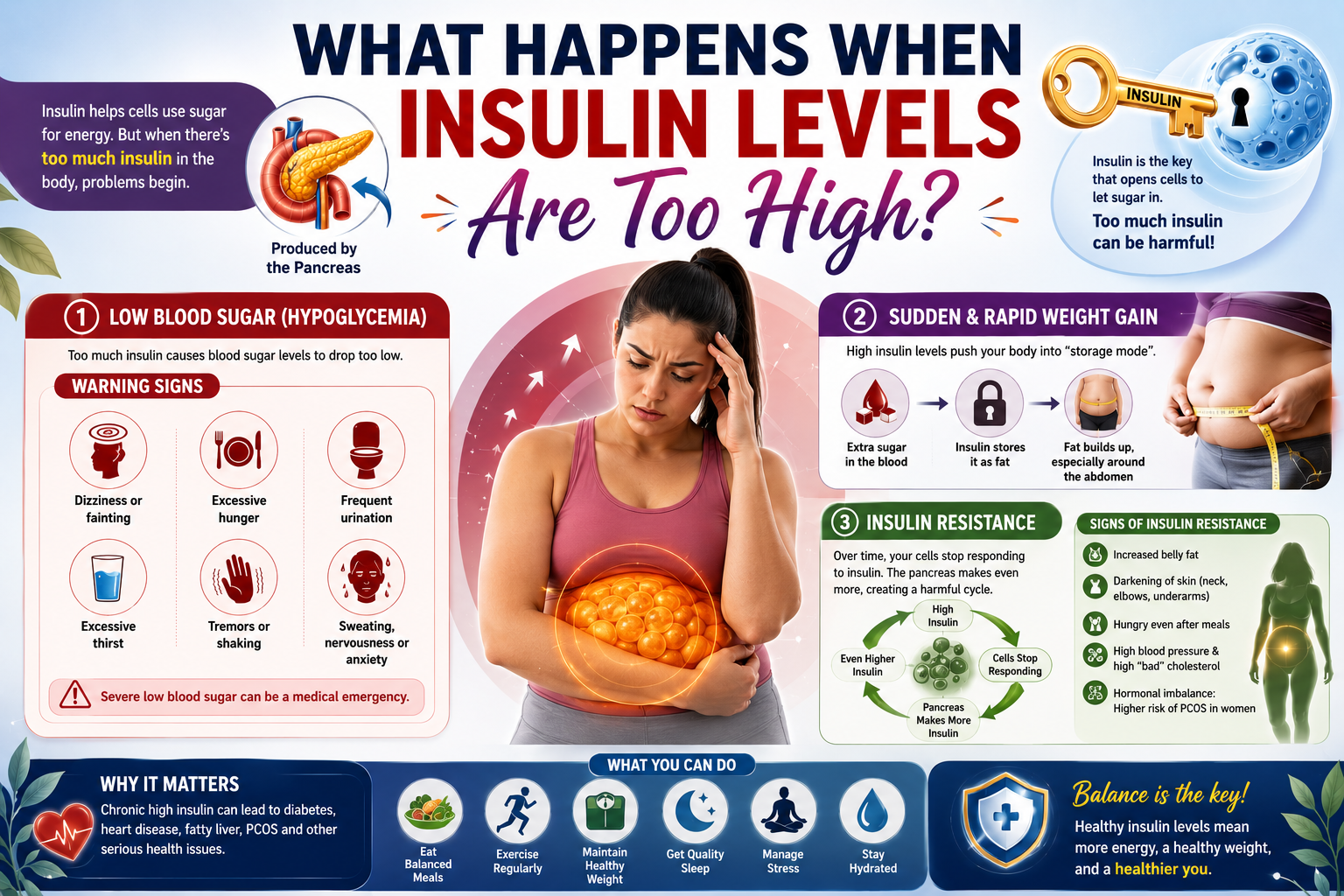
Many people focus on insulin deficiency, but excessive insulin production (hyperinsulinemia) can also be harmful.
Effects of Excessive Insulin Secretion
1. Low Blood Sugar (Hypoglycemia)
Too much insulin can cause blood glucose levels to drop below normal levels.
Common Symptoms of Hypoglycemia
- Dizziness or fainting
- Excessive hunger
- Trembling or shaking
- Sweating
- Nervousness or anxiety
- Weakness and fatigue
- Difficulty concentrating
Severe hypoglycemia can become a medical emergency if not treated promptly.
2. Weight Gain and Fat Storage
One of insulin’s primary functions is to move glucose from the bloodstream into cells. When insulin levels remain chronically high, excess glucose is converted into fat and stored in the body.
This shifts the body from:
Fat-Burning Mode → Fat-Storing Mode
As a result:
- Belly fat increases
- Weight loss becomes difficult
- Fat accumulates around internal organs
- Metabolic health declines
Understanding Insulin Resistance
Over time, constantly elevated insulin levels can cause the body’s cells to become less responsive to insulin. This condition is known as insulin resistance.
To compensate, the pancreas produces even more insulin, creating a harmful cycle that may eventually lead to Type 2 diabetes.
Signs of Insulin Resistance
Watch for these common warning signs:
- Excess abdominal fat
- Persistent hunger even after meals
- Fatigue after eating
- High blood pressure
- Elevated LDL (“bad”) cholesterol
- Difficulty losing weight
Acanthosis Nigricans
A common physical sign of insulin resistance is dark, velvety skin patches around:
- The back of the neck
- Underarms
- Elbows
- Groin area
Insulin Resistance and Women’s Health
Chronically high insulin levels can disrupt hormone balance and increase the risk of:
- Polycystic Ovary Syndrome (PCOS)
- Irregular menstrual cycles
- Fertility challenges
- Weight gain and metabolic disorders
How to Maintain Healthy Insulin Levels

Eat a Balanced Diet
Focus on:
- Whole grains
- Vegetables
- Fruits
- Lean proteins
- Healthy fats
Stay Physically Active
Regular exercise improves insulin sensitivity and helps cells use glucose more efficiently.
Maintain a Healthy Weight
Even modest weight loss can significantly improve insulin function.
Prioritize Sleep
Poor sleep is linked to insulin resistance and metabolic disorders.
Manage Stress
Chronic stress can negatively affect blood sugar regulation and hormone balance.
Final Thoughts
Insulin is far more than a blood sugar hormone—it is a master regulator of metabolism, energy production, and fat storage. Both insulin deficiency and excessive insulin levels can have serious consequences for your health.
Recognizing the early signs of insulin imbalance and adopting healthy lifestyle habits can help protect your body from diabetes, insulin resistance, and long-term metabolic complications.
Just as a vehicle runs on fuel, the human body runs on hormones—and insulin is one of its most powerful drivers.