What Is Bhu-Amla? How It Supports Overall Health Naturally

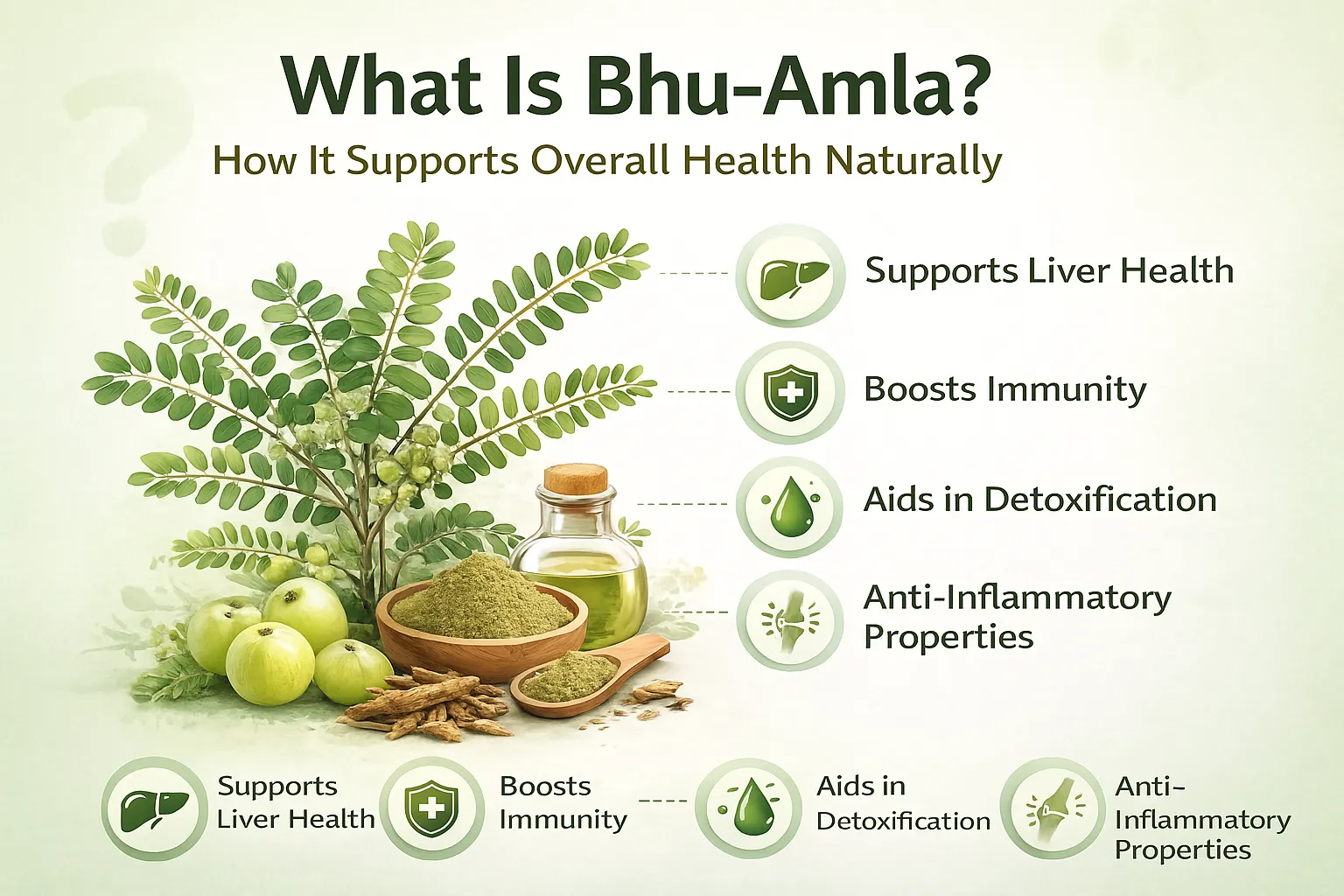
Bhu-Amla, also known as Bhui Amla or Bhumimalaki, is a powerful medicinal plant widely used in Ayurveda and traditional Indian medicine. Found across India and other tropical regions, this humble herb is especially valued for its liver-protective, kidney-supporting, and digestive benefits.
Despite its small size, Bhu-Amla plays a big role in natural healing and holistic health.
Scientific Identification of Bhu-Amla
-
Scientific Name: Phyllanthus niruri / Phyllanthus amarus
-
Family: Phyllanthaceae
Appearance & Identification
-
Grows close to the ground, about 30–60 cm tall
-
Bears small, round, amla-like fruits beneath its leaves, which gives it the name “Bhui Amla” (ground amla)
-
Taste: Bitter and astringent
In Ayurveda, the entire plant—roots, stems, leaves, and fruits—is used for medicinal purposes.
Medicinal Importance of Bhu-Amla
Bhu-Amla is highly respected for its broad therapeutic action, mainly due to its rich phytochemical composition.
Key Chemical Constituents & Their Benefits
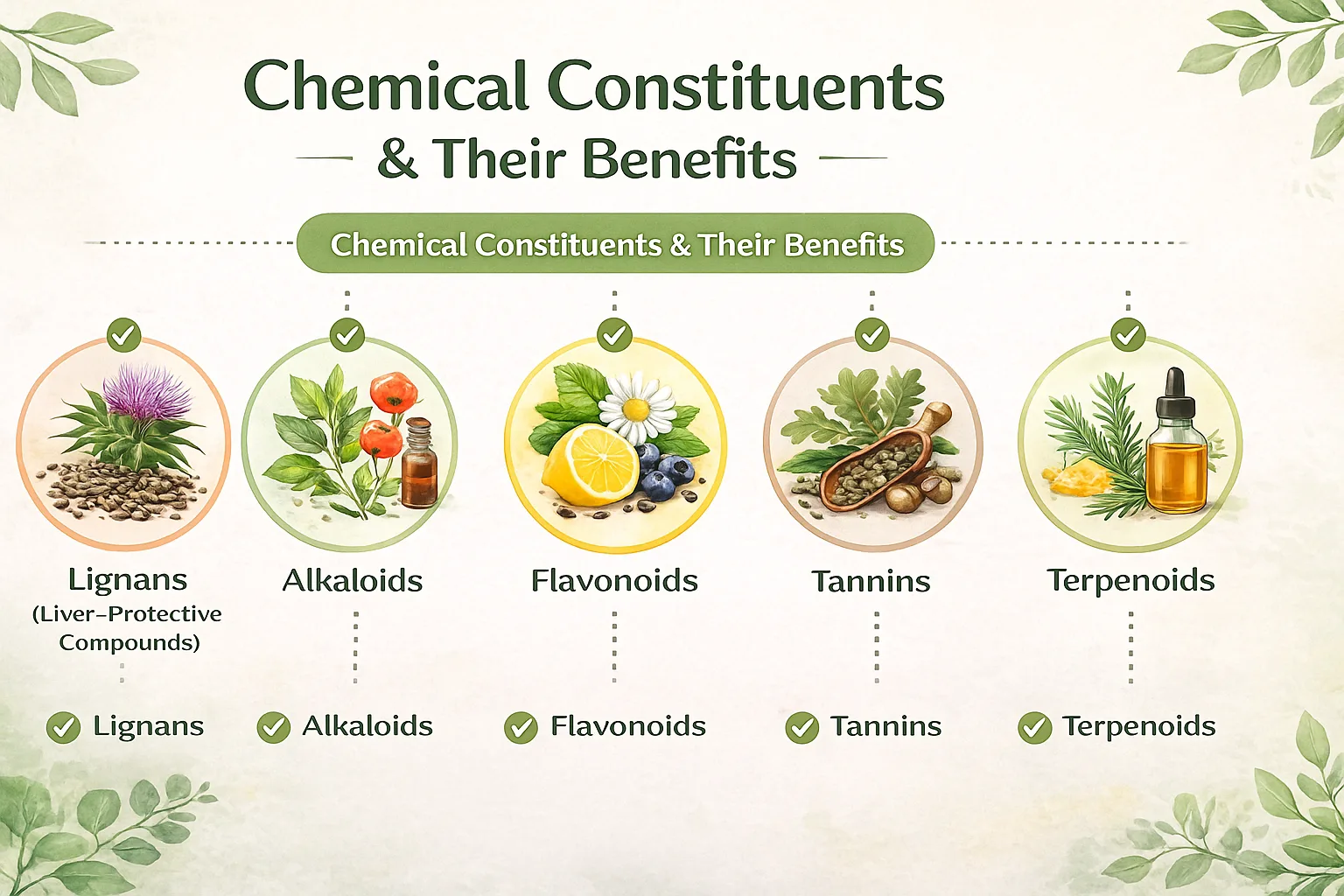
1. Lignans (Liver-Protective Compounds)
These are the most important active compounds in Bhu-Amla.
Examples include:
-
Phyllanthin
-
Hypophyllanthin
-
Niranthin
Benefits:
-
Protect liver cells from toxins
-
Support liver regeneration
-
Helpful in conditions like hepatitis B, jaundice, and fatty liver
2. Alkaloids
-
Responsible for the plant’s bitter taste
-
Example: Securinin
Benefits:
-
Stimulates digestion
-
Enhances detoxification
3. Flavonoids
-
Includes quercetin and rutin
Benefits:
-
Powerful antioxidants
-
Reduce inflammation
-
Protect cells from oxidative stress
4. Tannins
-
Provide the astringent taste
-
Example: Gallocatechin
Benefits:
-
Antibacterial and antimicrobial
-
Helps heal wounds
-
Useful in diarrhea and infections
5. Terpenoids
-
Aromatic oily compounds
Benefits:
-
Antimicrobial
-
Anti-inflammatory
-
Support immune function
Health Benefits of Bhu-Amla
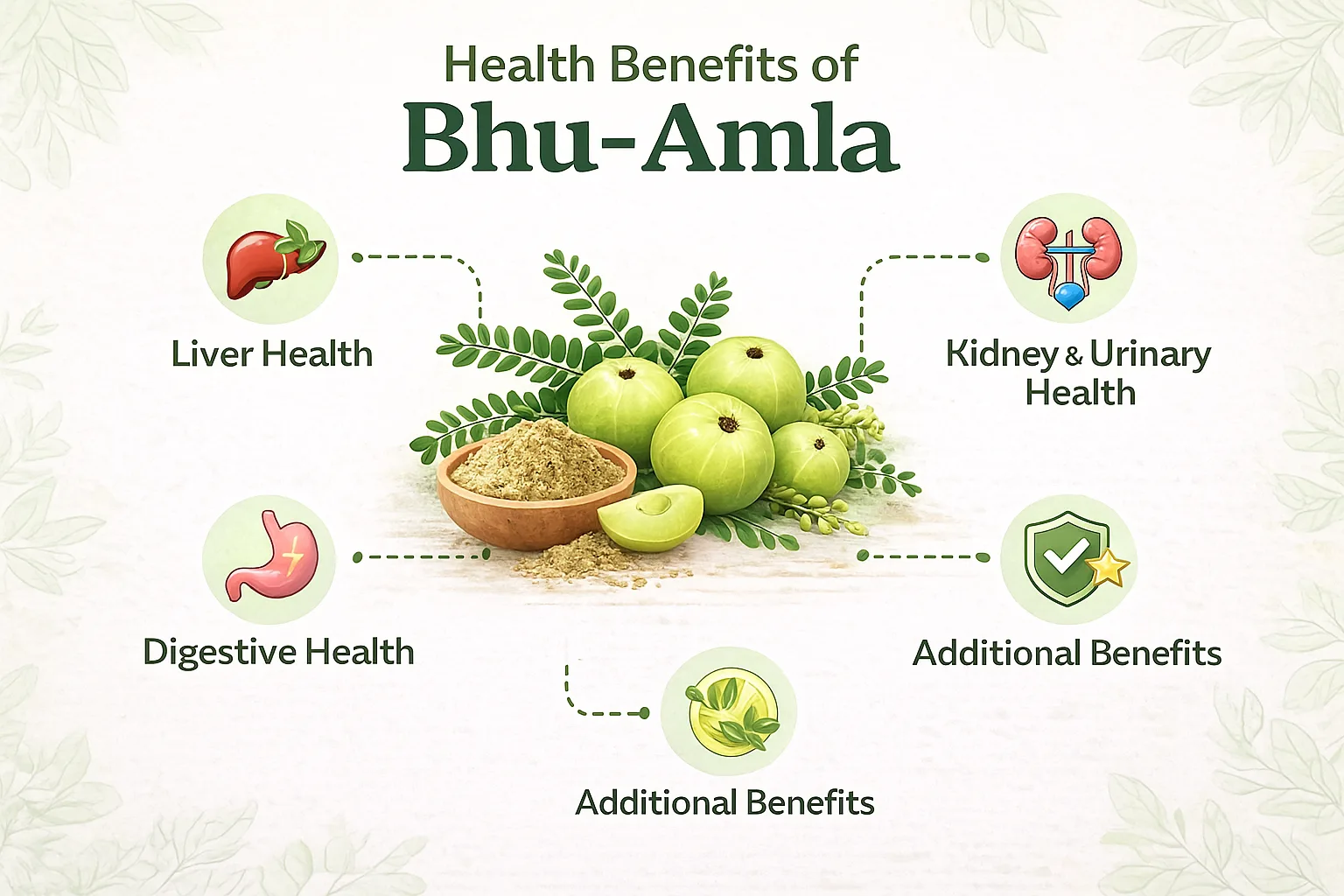
1. Liver Health
-
Detoxifies the liver
-
Strengthens liver cells
-
Helps manage hepatitis, jaundice, and fatty liver disease
2. Kidney & Urinary Health
Traditionally known as a “stone breaker”:
-
Helps dissolve and prevent kidney stones
-
Reduces calcium oxalate formation
-
Acts as a natural diuretic
-
Helps flush toxins, excess salts, and acids
-
Supports urinary tract infection (UTI) relief
3. Digestive Health
-
Reduces acidity and indigestion
-
Balances bile secretion
-
Relieves bloating and gas
-
Mild laxative action supports healthy bowel movements
4. Additional Benefits
-
Boosts immunity
-
Anti-inflammatory action
-
Antioxidant support
-
Promotes hair and skin health
How to Use Bhu-Amla

⚠️ Always consult an Ayurvedic practitioner or healthcare provider before long-term use.
1. Fresh Juice
-
Wash the whole plant thoroughly
-
Extract the juice
-
Consume in recommended quantities
2. Powder
-
Sun-dry the entire plant
-
Grind into powder
-
Take with warm water or honey
3. Decoction (Kadha)
-
Boil the whole plant in water
-
Strain and consume as advised
Final Thought
Bhu-Amla may be small in size, but it is a powerhouse of natural healing. From liver detoxification and kidney support to digestion and immunity, this Ayurvedic herb offers comprehensive health benefits when used correctly.