Shatavari: The Queen of Herbs & the Ultimate Women’s Tonic

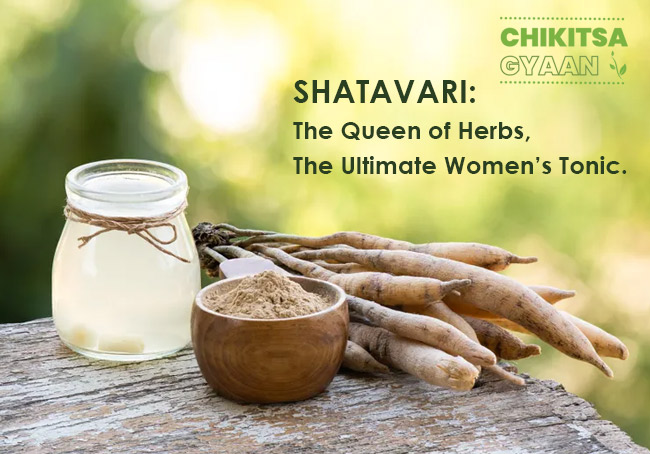
For thousands of years, Indian Ayurveda has relied on powerful herbs to promote health and longevity. Among them, Shatavari holds a special place and is widely known as the “Queen of Herbs” or “Queen of Women’s Tonics.”
The name Shatavari means “a woman with a hundred husbands” or “a remedy for a hundred ailments,” symbolizing its exceptional ability to support women’s health at every stage of life.
Scientific Profile of Shatavari
-
Scientific name: Asparagus racemosus
-
Family: Asparagaceae
How to Identify Shatavari
-
A perennial climbing herb that grows with support
-
Thorny vines that climb toward sunlight
-
Fine, needle-like leaves growing in clusters
-
Small white flowers, also clustered
-
Round fruits that turn red or purple when ripe
The Most Important Part: The Root
-
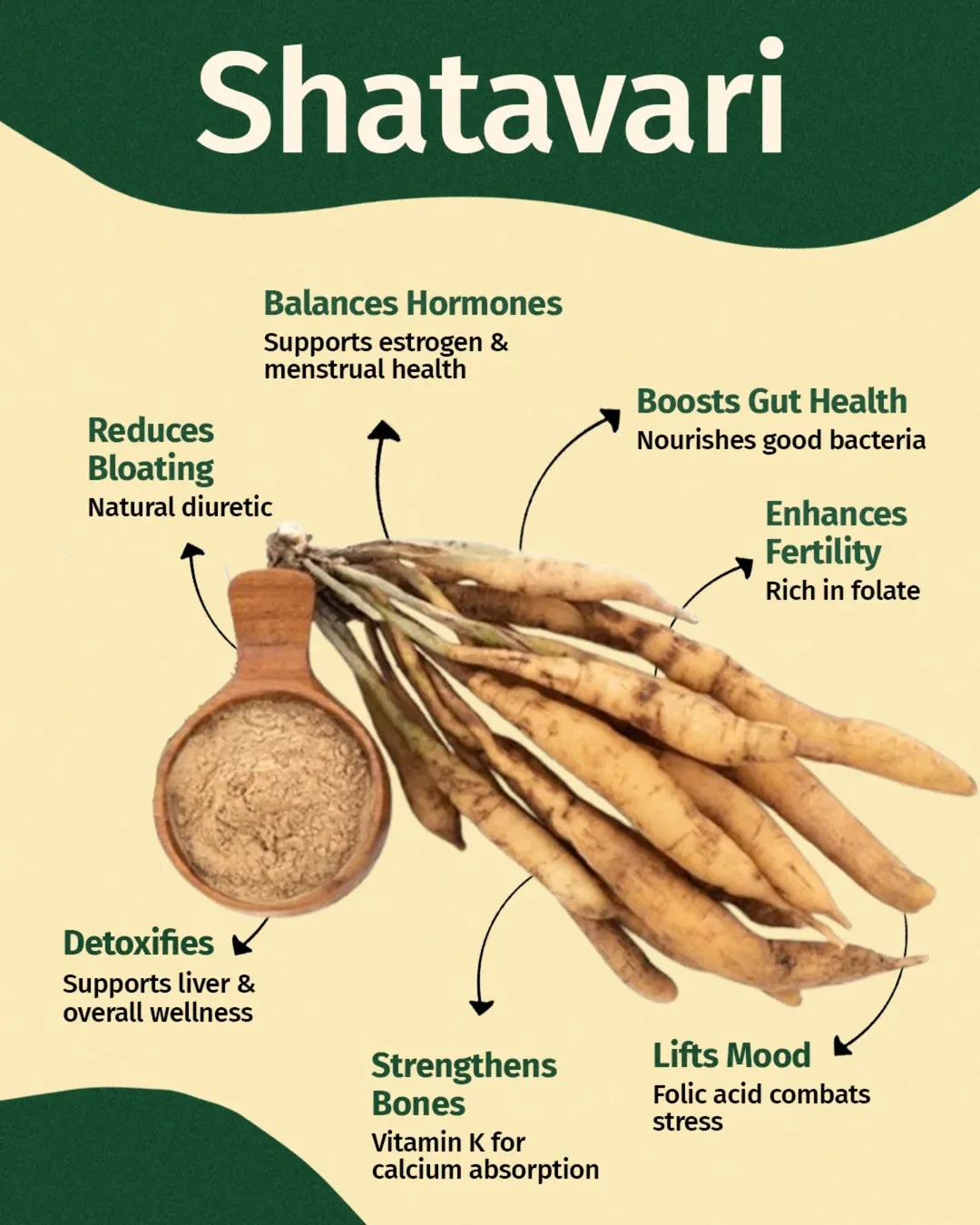
Thick, fleshy tuberous roots growing in clusters underground
-
White to light brown in color
-
The root is the primary medicinal part used in Ayurveda
Why Is Shatavari Called the Women’s Tonic?
Shatavari is especially beneficial for the female reproductive system, which is why it has earned its royal title.
1. Hormonal Balance & Fertility
-
Helps balance female hormones, especially estrogen
-
Strengthens the uterus and ovaries
-
Supports healthy ovulation and improves fertility
2. Menstrual Health
-
Helpful in painful periods (dysmenorrhea)
-
Reduces heavy bleeding (menorrhagia)
-
Relieves PMS symptoms such as cramps, bloating, abdominal pain, mood swings, and irritability
3. Menopause Support
During menopause, women often experience:
-
Hot flashes
-
Night sweats
-
Vaginal dryness
-
Insomnia and fatigue
Shatavari helps reduce these symptoms and improves overall quality of life.
4. Supports Breastfeeding
Shatavari is a well-known galactagogue in Ayurveda.
-
Increases milk production
-
Improves milk flow by supporting prolactin levels
-
Widely recommended for lactating mothers (under guidance)
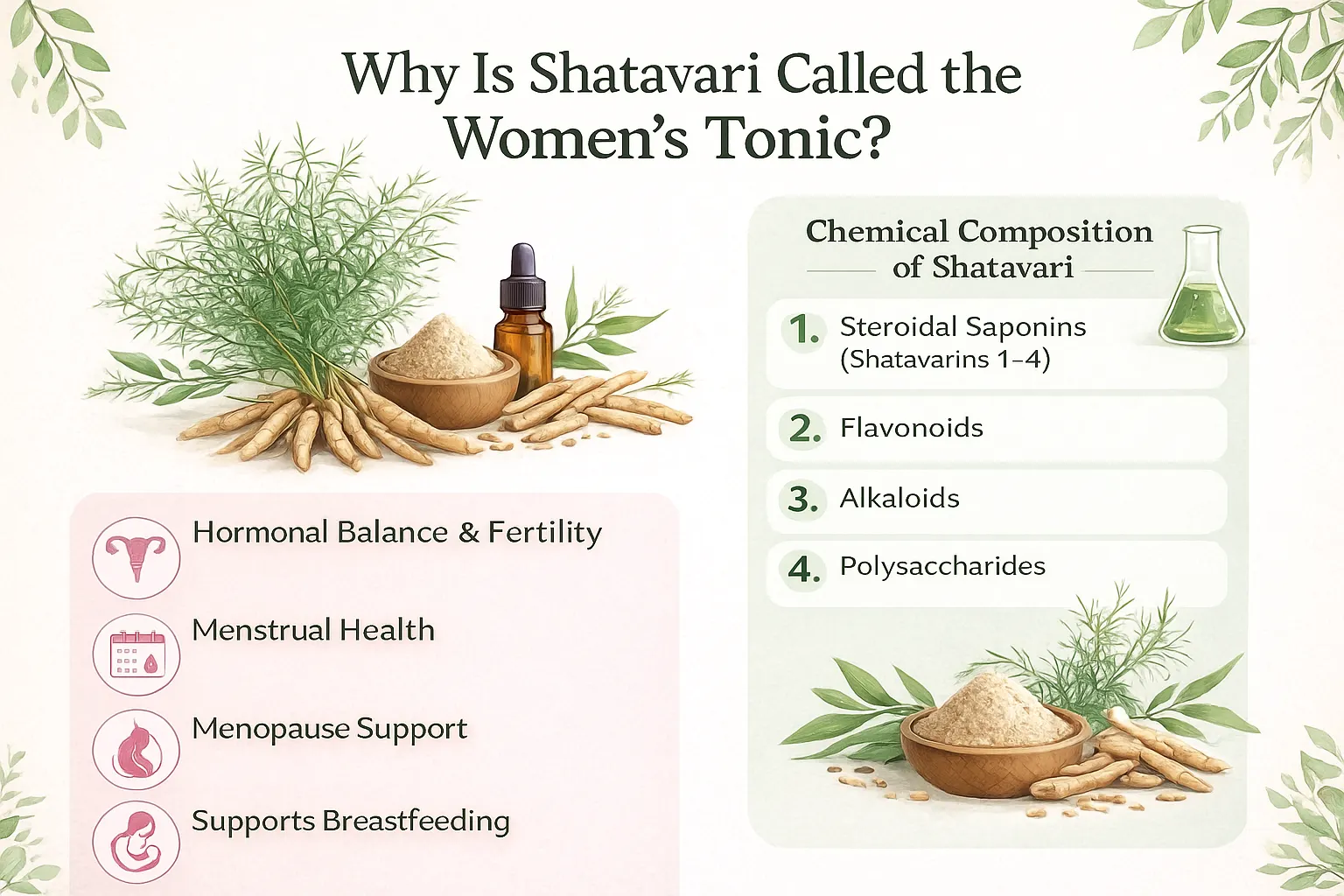
Chemical Composition of Shatavari
The powerful effects of Shatavari come from its rich natural compounds:
1. Steroidal Saponins (Shatavarins 1–4)
-
Key active ingredients
-
Support hormonal balance
-
Enhance immunity
-
Promote lactation
-
Act as adaptogens (stress resistance)
2. Flavonoids
-
Includes quercetin and rutin
-
Strong antioxidant and anti-inflammatory properties
3. Alkaloids
-
Contains Asparagine A
-
Calms the nervous system
-
Enhances adaptogenic effects
4. Polysaccharides
-
Strengthen immunity
-
Support overall vitality
Shatavari also contains:
-
Vitamin A
-
Folic acid
-
Fiber
-
Amino acids
-
Minerals such as copper, magnesium, zinc, and cobalt
Is Shatavari Only for Women?
No.
While it is especially beneficial for women, Shatavari supports the health of the entire family.
Benefits for Men
-
Improves sperm quality
-
Supports male fertility
-
Enhances vitality and stamina
Benefits for Children
-
Boosts immunity
-
Supports brain development and strength
Medicinal Properties in Ayurveda
-
Considered a Rasayana (rejuvenating herb)
-
Promotes longevity and vitality
-
Adaptogenic – helps the body cope with stress and fatigue
-
Anti-ulcer – helps heal ulcers and soothes the digestive tract
How to Consume Shatavari
-
Shatavari Powder
Taken 1–2 times daily with warm milk or water (called Anupana in Ayurveda) -
Capsules or Tablets
Standardized extracts; should be taken under Ayurvedic guidance -
Shatavari Ghee
Traditional formulation that improves absorption and nourishment
Precautions & Possible Side Effects
-
People allergic to the lily family may be sensitive to Shatavari
-
May cause weight gain in some individuals due to its nourishing nature
-
People with kidney disorders should use it cautiously
-
If you are taking allopathic medicines, consult your doctor or pharmacist before use
Final Thought
Shatavari truly lives up to its name as the Queen of Herbs. From supporting hormonal balance and fertility to boosting immunity, digestion, and overall vitality, it is a timeless Ayurvedic gift for modern health challenges.