Egg Freezing – A Modern Choice for Future Motherhood

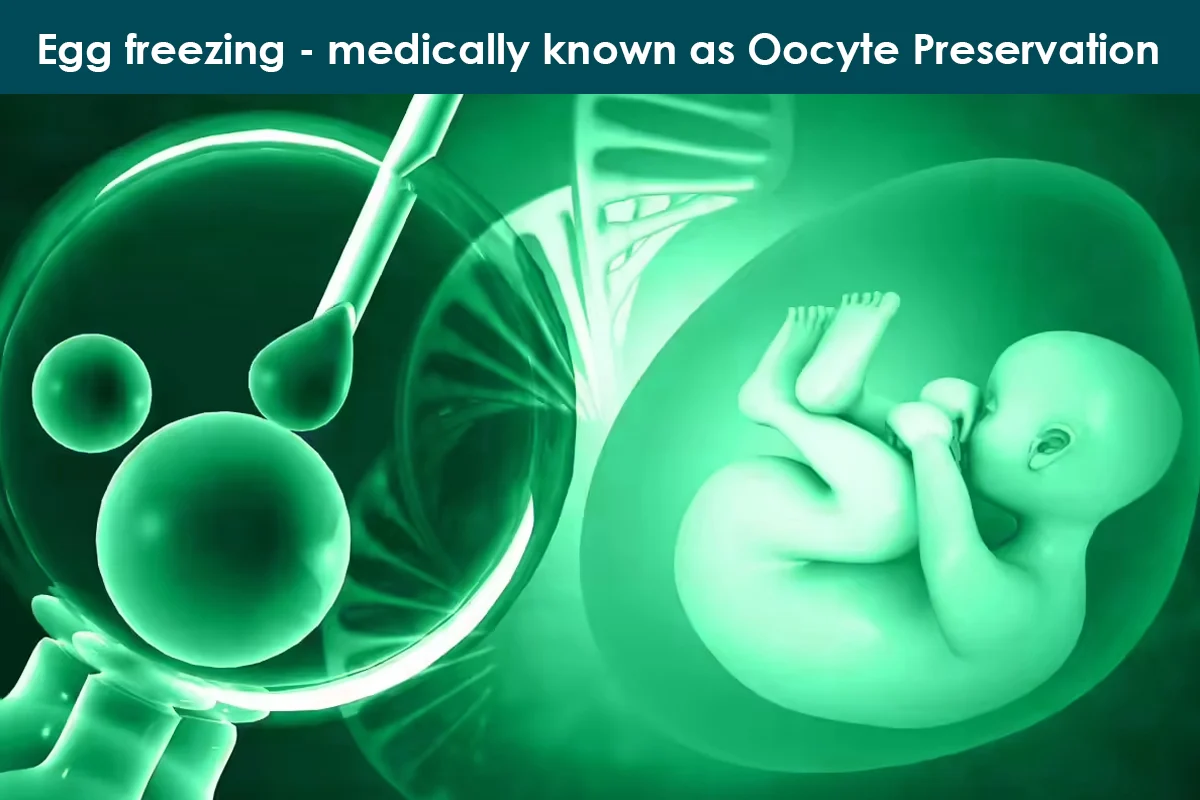
Egg freezing, medically known as oocyte preservation, is a procedure in which a woman’s eggs are collected from her ovaries and preserved for future use. It gives women the option to plan pregnancy on their own timeline, without being restricted by age, health conditions, or personal circumstances.
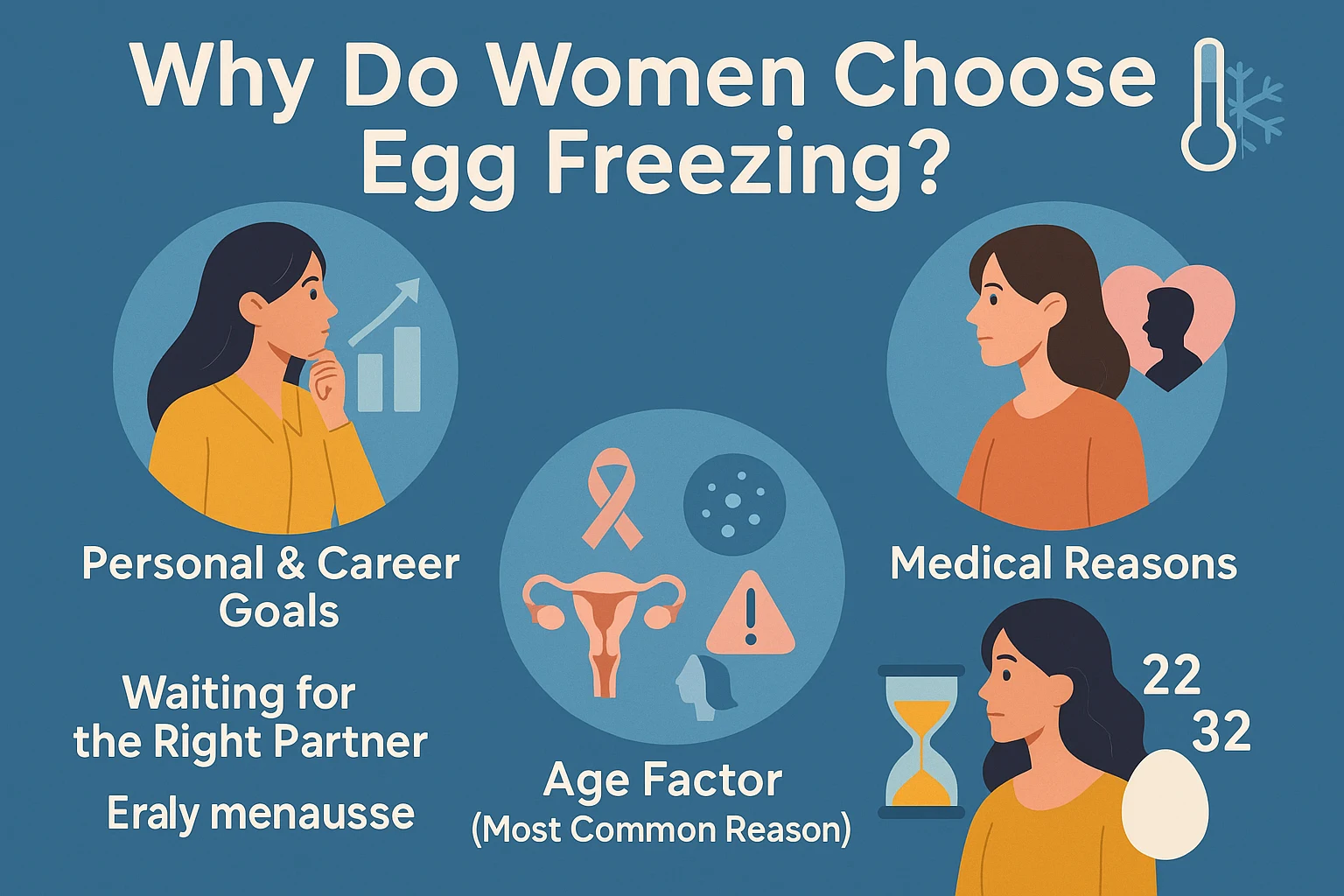
Why Do Women Choose Egg Freezing?
Egg freezing has become increasingly popular because it allows women to secure their fertility while focusing on other priorities. The main reasons include:
1. Personal & Career Goals
Many women want to grow in their careers or pursue education and therefore choose to delay motherhood. Egg freezing offers them time and flexibility without compromising future fertility.
2. Waiting for the Right Partner
Some women prefer to wait for the right life partner or take time to build trust. In such situations, egg freezing becomes a practical and empowering choice.
3. Medical Reasons
Egg freezing is especially important for women facing medical conditions such as:
-
Cancer: Chemotherapy and radiation can reduce egg count or damage fertility.
-
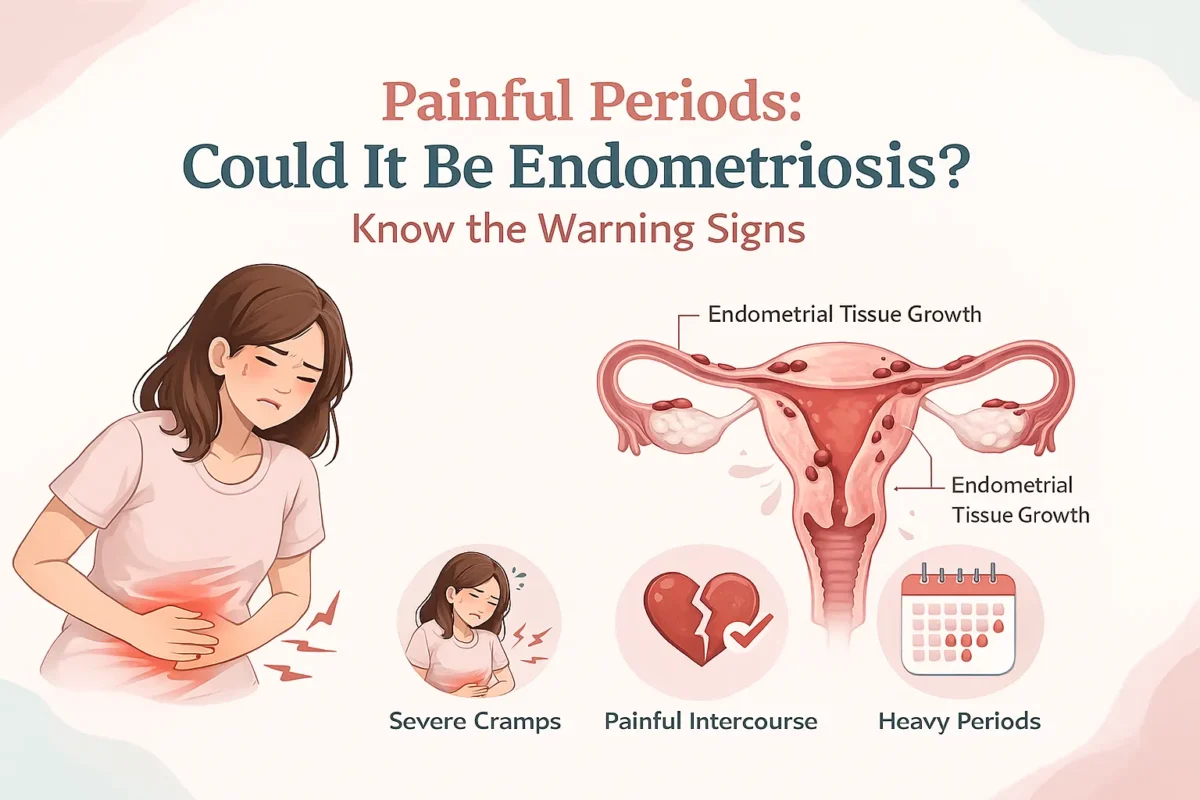
Endometriosis
-
Premature ovarian failure
-
Early menopause
4. Age Factor (Most Common Reason)
A woman’s egg quantity and quality naturally decline with age. Many choose to freeze their eggs between 22 and 32 years, when fertility is at its peak.
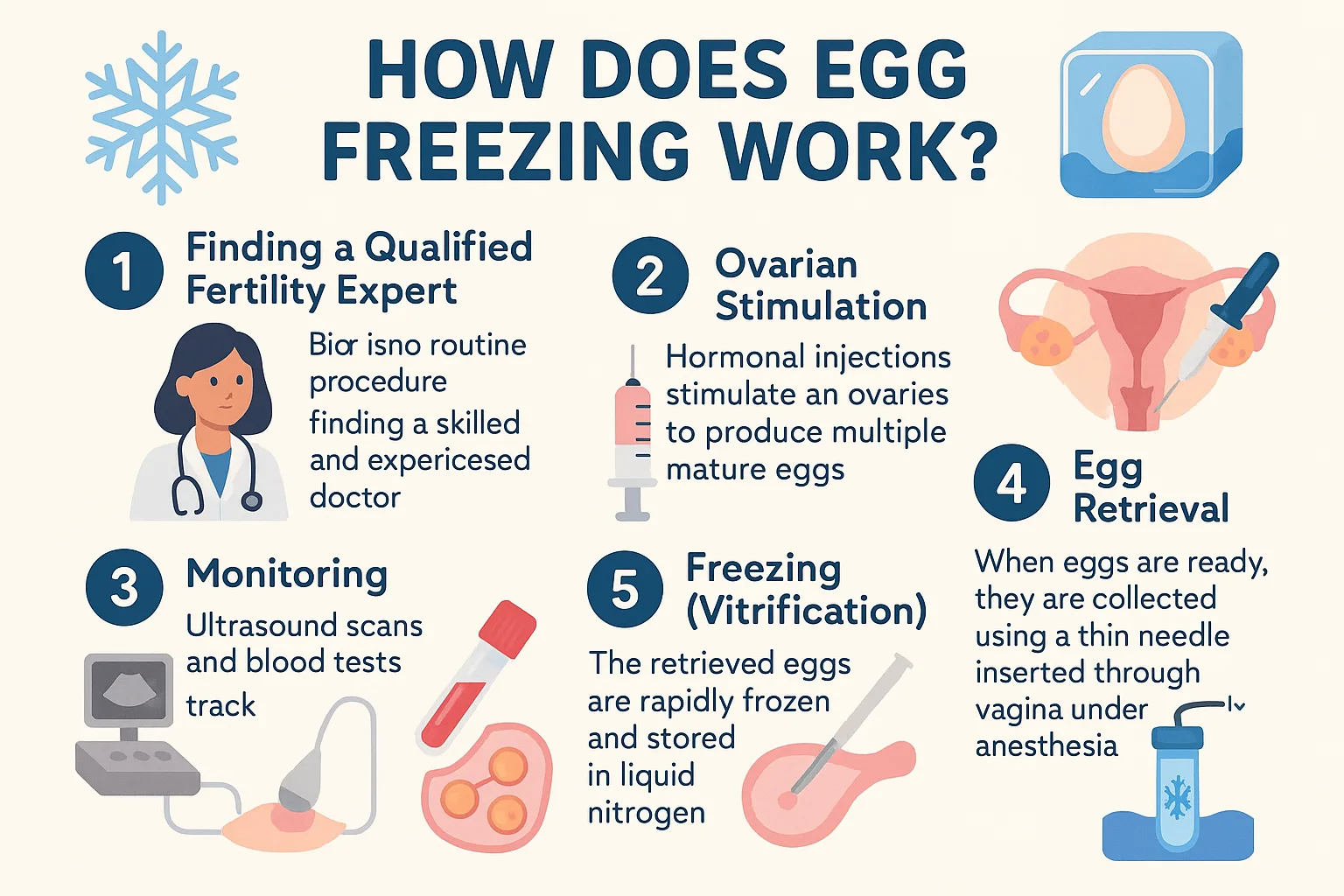
How Does Egg Freezing Work?
Egg freezing is a multi-step medical process that requires planning, commitment, and guidance from a fertility specialist.
1. Finding a Qualified Fertility Expert
This is not a routine procedure finding a skilled and experienced doctor is crucial. Evaluation includes:
-
Blood tests
-
Ovarian reserve tests
-
Pelvic assessment
2. Ovarian Stimulation
During a normal cycle, only one egg matures. In this process, hormonal injections stimulate the ovaries to produce multiple mature eggs.
3. Monitoring
Ultrasound scans and blood tests track the growth of follicles (egg sacs) and hormonal changes.
4. Egg Retrieval
When eggs are ready, they are collected using a thin needle inserted through the vagina under light anesthesia. The process is quick and usually painless.
5. Freezing (Vitrification)
The retrieved eggs are rapidly frozen and stored in liquid nitrogen.
In the future, when a woman decides to conceive, these eggs are thawed, fertilized through IVF, and the embryo is transferred to the uterus.
Step-by-Step Egg Freezing Timeline (8–14 Days)
1. Right Medication
Doctors prescribe hormonal injections such as:
-
FSH (Follicle Stimulating Hormone)
-
LH (Luteinizing Hormone)
2. Hormone Injections (8–12 Days)
Women self-administer injections at home at specific times to stimulate egg growth.
3. Monitoring Progress
-
Transvaginal ultrasounds
-
Hormone level blood tests (especially estrogen)
4. Trigger Shot
A final hormone injection (HCG trigger) matures the eggs before retrieval.
5. Egg Retrieval Procedure
Eggs are collected 36–38 hours after the trigger shot.
Social Views on Egg Freezing
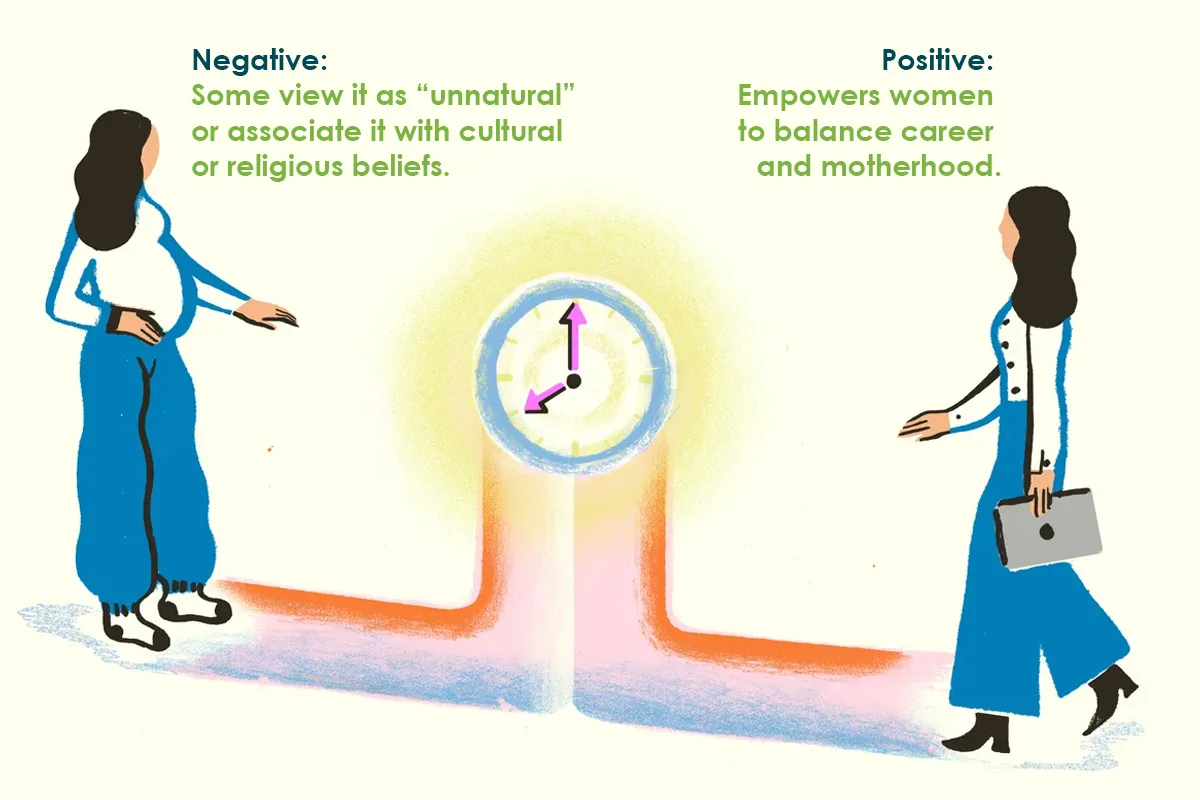
Social opinions vary widely:
-
Positive: Empowers women to balance career and motherhood.
-
Negative: Some view it as “unnatural” or associate it with cultural or religious beliefs.
Modern science, however, supports egg freezing as a safe, effective, and empowering choice.
Risks Associated With Egg Freezing
1. Risks of Ovarian Stimulation
A reaction called Ovarian Hyperstimulation Syndrome (OHSS) may occur:
-
Bloating
-
Abdominal pain
-
Nausea or vomiting
-
Rapid weight gain
-
Breast tenderness
Rare severe symptoms may include:
-
Fluid buildup in lungs
-
Breathing difficulty
-
Blood clots (requires hospitalization in severe cases)
Injection-site reactions like itching, redness, or tenderness may also occur.
2. Risks of Egg Retrieval Surgery
The needle used during the retrieval procedure may cause:
-
Mild bleeding
-
Infection
-
Rare injury to nearby organs (bladder, bowel)
Final Thoughts
Egg freezing is not just a medical procedure—it is a choice that gives women control over their reproductive future. With the right medical guidance, emotional support, and awareness of risks and benefits, it can open a path to planned, stress-free motherhood.