Beyond Picky Eating: How to Reduce Food Sensitivities in Autism and Improve Gut Health & Behavior

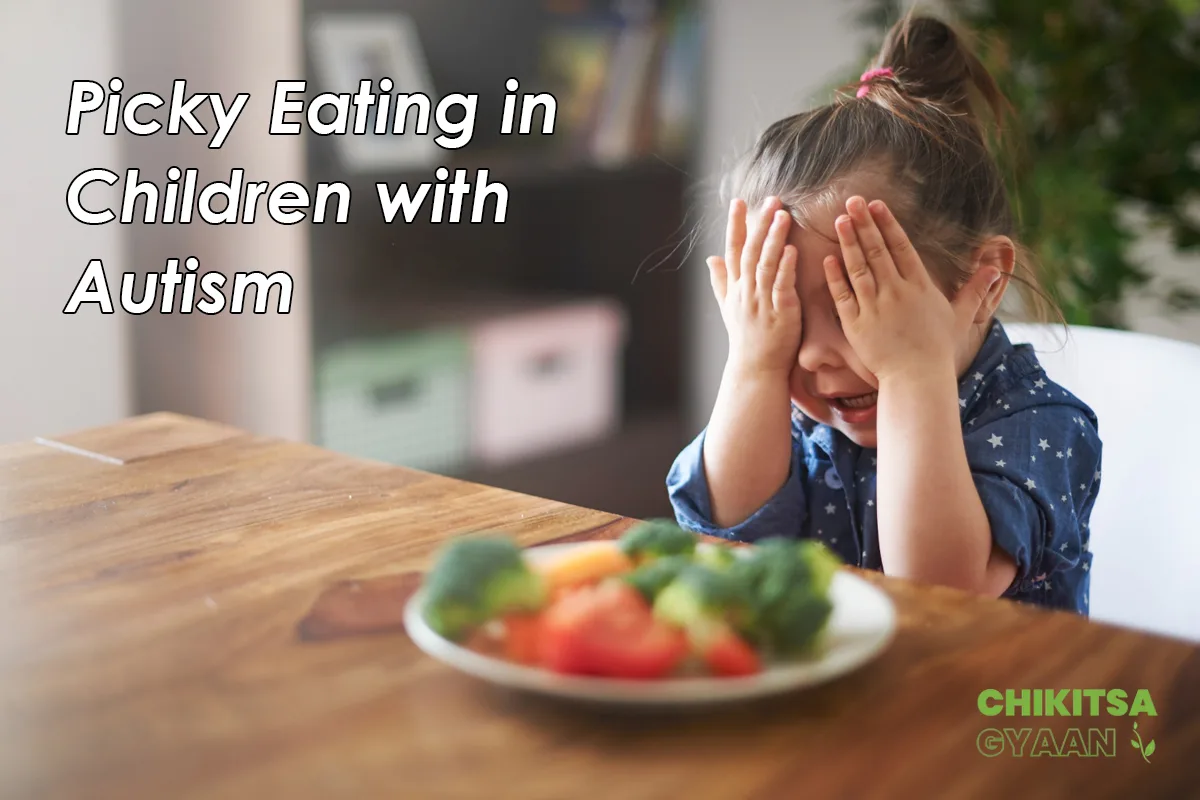
Picky eating is more than just disliking certain foods — especially in children with autism. These children may reject foods due to color, texture, smell, or taste, and this sensitivity is often rooted in how their brain processes sensory information.
To understand picky eating in autism, it’s important to explore the brain regions involved.
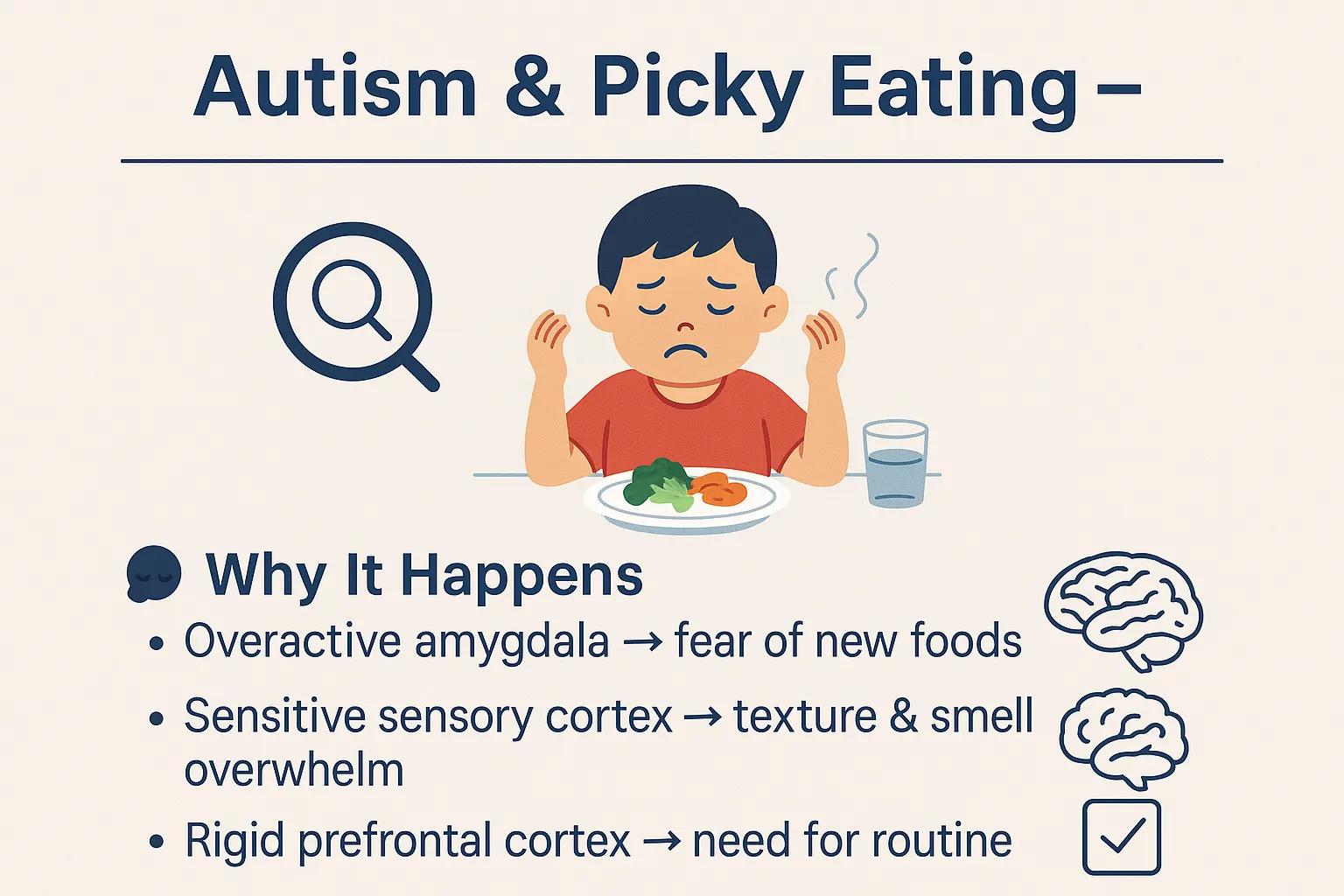
1. Limbic System – The Emotional Center
Amygdala (Fear & Anxiety Processing)
The amygdala, located deep within the temporal lobe, controls fear, threat response, and anxiety.
When a new food with an unfamiliar texture or smell is presented, the amygdala may interpret it as a threat, causing the child to refuse it immediately.
2. Sensory Cortex – Processing Taste, Smell, and Texture
The sensory cortex processes touch, taste, smell, and texture.
In autism, the sensory cortex often becomes hyperactive, leading to:
-
Overreaction to textures
-
Discomfort with strong smells
-
Fear of unfamiliar food shapes
-
Complete lack of interest in trying new food
Even a slight change in a food’s appearance can feel unbearable for the child.
3. Prefrontal Cortex – Routine & Predictability
The prefrontal cortex controls:
-
Planning
-
Decision-making
-
Behavior regulation
Children with autism struggle with cognitive flexibility, meaning they prefer routine and sameness.
Thus, they naturally stick to familiar foods and reject anything new.
👉 For autistic children, food rejection is not stubbornness — it is a protective response triggered by their sensory and emotional systems.
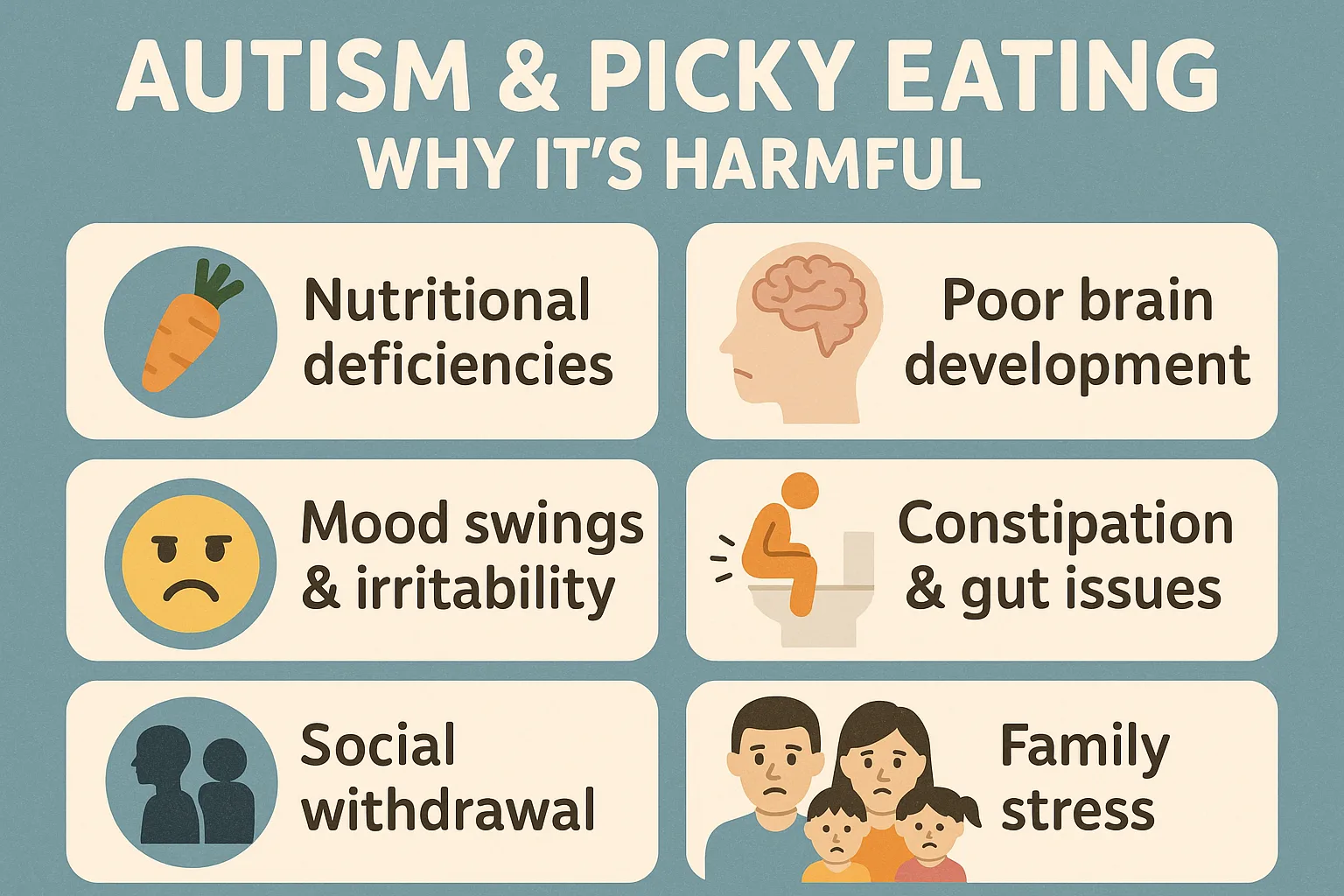
Why Picky Eating Is Harmful in Autism
1️⃣ Nutritional Deficiencies
Autistic children often eat limited foods — usually carbohydrates or packaged snacks — causing:
-
Lack of protein
-
Iron deficiency
-
Low calcium & vitamin D
-
Low omega-3 fatty acids
-
B-vitamin deficiency
Effects on development:
-
Stunted physical growth
-
Poor bone health
-
Weak immunity
-
Delayed brain development
-
Learning difficulties or regression
Omega-3s and B vitamins are essential for the brain — deficiency can impair cognitive functions and emotional regulation.
2️⃣ Behavior & Mood Changes
Poor nutrition and weak gut health affect behavior:
-
Irritability
-
Mood swings
-
Hyperactivity
-
Poor focus
-
Low energy
-
Difficulty learning
Blood sugar fluctuations can worsen behavior and emotional control.
3️⃣ Gut Health Problems
Limited fiber intake causes:
-
Constipation
-
Gas and bloating
-
Abdominal pain
Children often cannot express this discomfort, which may appear as:
-
Anger
-
Crying spells
-
Anxiety
-
Restlessness
Gut inflammation also affects neurotransmitters linked to mood and behavior.
4️⃣ Social & Family Impact
-
Fear of eating outside causes social withdrawal
-
Avoiding school functions or restaurants
-
Increased family stress around mealtime
-
Emotional conflicts at home
👉 Picky eating in autism is a complex sensory and neurological challenge — not a behavioral choice.
How to Reduce Picky Eating & Food Sensitivity in Autism
1. Sensory-Based Feeding Approach
Gradual Introduction (No Pressure)
Let the child see, smell, touch, and explore new foods before eating.
This reduces fear and helps acceptance.
Focus on Preferred Textures
Observe whether your child prefers:
-
Soft foods (purees, mashed fruits)
-
Crunchy foods (toasted veggies, crackers)
-
Smooth foods (yogurt, soups)
Introduce new foods within their preferred texture category.
Create a Calm Eating Environment
Minimize:
-
Loud sounds
-
Bright lights
-
Mobile phones
-
TV distractions
A calmer environment reduces sensory overload.
2. Improve Gut Health to Improve Behavior
A healthy gut supports better mood, behavior, and learning.
Probiotics (Good Bacteria)
Sources:
-
Yogurt
-
Whey (buttermilk)
-
Probiotic supplements (with doctor’s guidance)
Benefits:
-
Reduces inflammation
-
Improves digestion
-
Balances gut bacteria
Prebiotics (Fiber that Feeds Probiotics)
Sources:
-
Apples
-
Bananas
-
Onions
-
Whole grains
Together, probiotics + prebiotics create a healthier gut environment.
Better gut health =
✔️ Better mood
✔️ Reduced hyperactivity
✔️ Improved focus
✔️ Less constipation
✔️ Better sleep
Final Thoughts
Picky eating in autism is not disobedience—it’s a sensory struggle deeply connected to the brain and gut.
With patience, gradual exposure, sensory support, and a gut-healthy diet, children can experience:
✔️ Better behavior
✔️ Improved digestion
✔️ Reduced sensitivity
✔️ More willingness to try new foods
✔️ Overall emotional and physical well-being
A holistic, gentle approach creates life-changing improvements for autistic children.
Key Message
Picky eating in autism is not stubbornness — it’s a sensory struggle.
With patience, routine, gut-friendly foods, and gentle exposure, children can experience better digestion, improved behavior, and a healthier relationship with food.